The Vacuum Left by E3’s Exit
By Oli Welsh | April 19, 2026
Opinion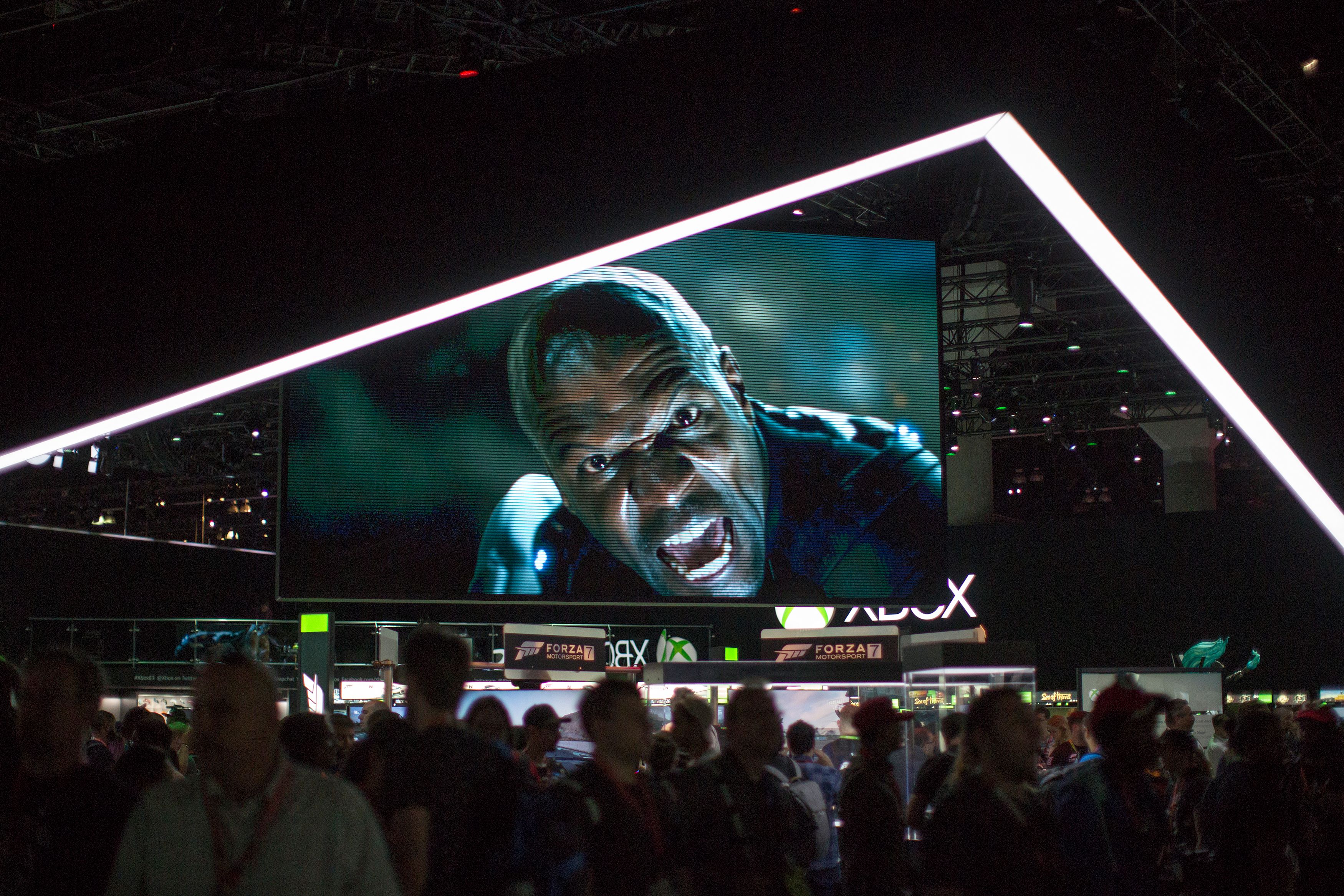
Watching the industrial machinery of CinemaCon churn out endless trailers and breathless announcements, I find myself nursing a distinct sense of professional envy. The film industry still understands the value of the concentrated spectacle—that singular, exhausting week where the entire ecosystem gathers to perform its own importance. Gaming, conversely, has fractured into a million disjointed livestreams and isolated developer showcases.
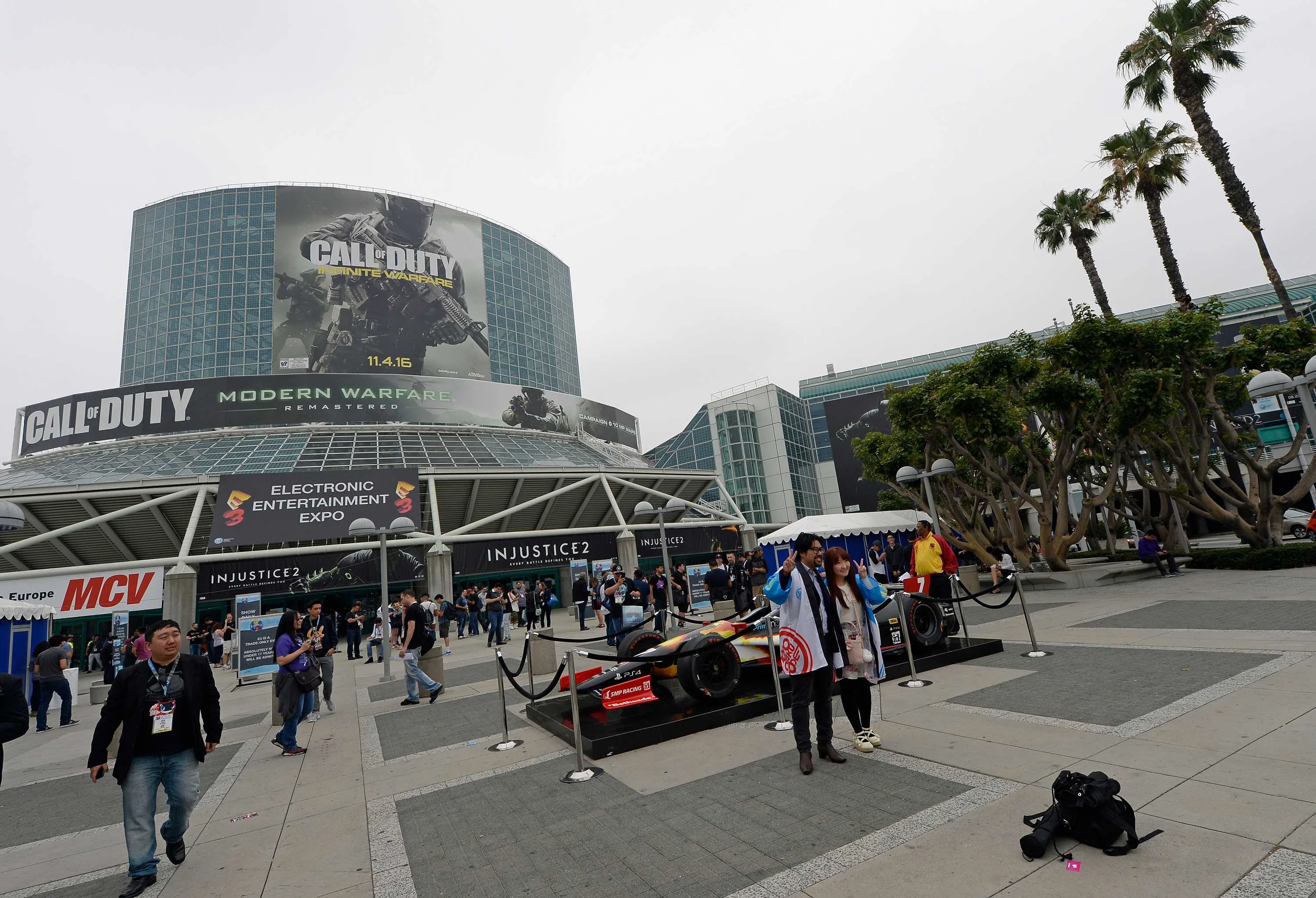
It is difficult not to look at the current state of video game marketing and feel the absence of E3. We traded a messy, loud, and often bloated focal point for a sterile, corporate-controlled drip-feed of information. While the industry seems content to let the "big event" model wither in favor of direct-to-consumer PR, something vital about the industry’s culture has been lost in the exchange.
CinemaCon isn’t perfect; it is essentially a high-budget, glorified trade show designed to convince theater owners that their business model remains viable. Yet, its existence provides a heartbeat for the medium. In gaming, the lack of an equivalent "meaningless hype fest" leaves a void. Without that centralized hub, the industry feels less like a cohesive community and more like a collection of competing silos, each desperate to grab a fleeting second of our shrinking attention spans.
Watching the industry converge on Las Vegas for CinemaCon inevitably triggers a sense of professional FOMO. While the spectacle is arguably an exercise in carefully choreographed PR—a week-long parade of star power designed to convince exhibitors that the sky isn't falling—the sheer density of upcoming releases creates a compelling narrative. It is essentially a trade show, yet it manages to capture the kind of collective momentum that feels increasingly rare in a fragmented media environment.
This year’s output felt particularly robust. Box office numbers are trending upward, and the portfolios presented by Sony Pictures, Warner Bros., and Universal suggest a return to high-stakes, crowd-pleasing tentpoles. From Disney’s heavy-hitting Avengers: Doomsday announcements to the creative pivot of Amazon MGM trying to establish cinematic legitimacy, the optimism is palpable. Even the peripheral developments—like the news that Dune: Part Three sounds sick or that Takashi Yamazaki is pivoting from Godzilla Minus One to a giant robot project—are enough to cut through the cynicism usually reserved for studio marketing junkets. Beyond the corporate maneuvering at Paramount, there is a tangible sense of recovery here.
Admitting to being swayed by this level of marketing is a journalist's guilty pleasure, though it is hardly irrational. Having spent years covering the gaming industry, I was conditioned by E3, an event that mastered the art of manufacturing genuine excitement. When you spend enough time in these environments, you learn that while the polished trailers and celebrity appearances are theater, the underlying energy is a reliable barometer for what actually drives audience engagement. I find myself missing that shared intensity; CinemaCon is one of the few places left that still knows how to bottle it.
CinemaCon functions as the film industry’s answer to E3—a high-pressure venue where the trade press and exhibitors congregate to consume staged spectacles and executive recitations. While the Oscars or major festivals cater to the artistic side of the house, CinemaCon is purely about the mechanics of hype. It is a calculated theater of influence, designed to manufacture excitement through restricted access.
The two industries handle information control differently. Gaming culture thrives on obsessive, often illogical levels of secrecy, whereas Hollywood leaks business-side contract details to the trades with abandon. However, film studios guard actual footage with fanatical intensity. This creates the bizarre ecosystem of CinemaCon, where content is kept under lock and key, forcing the public to rely on secondhand accounts from podcasts and blogs. It’s an effective, if frustrating, method of creating artificial mystique.
Sometimes, the event yields the kind of transparently petty corporate maneuvering that makes industry watching so entertaining. Take Disney’s rollout of "Infinity Vision"—a move transparently motivated by pique rather than strategic necessity. Facing off against Warner Bros. and Dune: Part Three over IMAX screen allocations for Doomsday, Disney’s aggressive positioning feels like a throwback to the console wars. It’s the same flavor of irrational, high-stakes ego that defined the E3 2013 game-sharing debacle. It is undeniably messy, remarkably childish, and thoroughly engaging.
While the death of E3 was a fiscal reality—much of it was, in retrospect, a profligate expenditure of capital and jet fuel—the modern era of fragmented, online-only showcases feels sterile by comparison. We’ve traded the potential for genuine, on-stage disaster and communal spectacle for a endless stream of polished, sterile marketing drops. A game like Pragmata, with its prolonged development cycle and cryptic aesthetic, would have been the perfect candidate for an E3 showcase. It wouldn't have changed the final product, but the sheer gravity of a stage presence might have made the long wait feel like part of a larger, more coherent narrative.
Pragmata shoots for the moon and sticks the landing
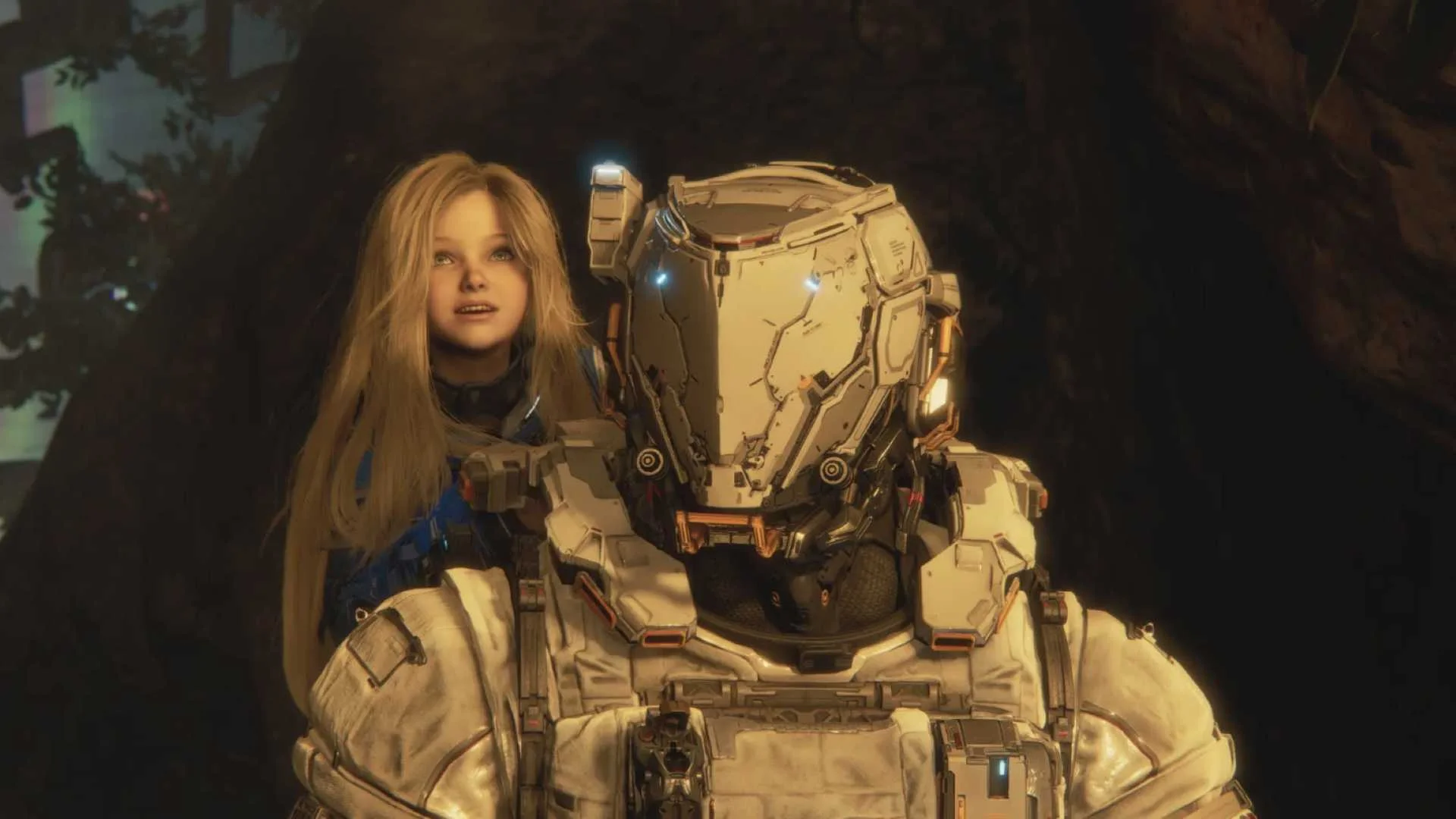
Austin Manchester breaks down whether Pragmata succeeds as one of the most ambitious titles of 2026.
I saw the first 15 minutes of The Mandalorian and Grogu

Jake Kleinman offers his perspective on the trajectory of the Star Wars franchise.