The Plastic Surgery Conversation: Tracking Emma Stone’s Aesthetic Evolution
Public scrutiny regarding celebrity appearances is nothing new, but the persistent chatter surrounding Emma Stone’s recent look demands a closer, more objective review. As observers point to shifts in the actress's facial structure and physique, we have compiled a chronological timeline to contrast her early-career presence with the present day.

The Emma Stone of today is vastly different from the rising star who captured Hollywood's attention in the mid-2000s. While her trajectory as an A-list performer remains consistent, her aesthetic profile has sparked ongoing debate among fans and industry analysts alike.
Early Years and The "It Girl" Status
In 2006, Stone was the quintessential Hollywood newcomer, characterized by a relatable and accessible public image. Her early appearances, most notably at the Replay brand launch, featured a fresh-faced, classic aesthetic: long, natural hair and a minimalist approach to styling that signaled her arrival as a breakout talent rather than a manufactured star.
Shifting Standards and Red Carpet Transitions
By 2007, following her breakout role in Superbad, Stone adopted a more defined "main character energy" that suggested a calculated transition toward a high-profile industry presence. As she navigated events like the FOX TCA Press Tour, the styling became more rigorous, moving away from the loose, girl-next-door look toward sharper silhouettes and more polished makeup palettes. Throughout 2008 and 2009, this maturation continued, reflecting a common industry pattern where emerging talent gradually adopts the aesthetic markers of seasoned A-list performers to secure more complex, leading-role opportunities.
Analysis of the 2025 "Unrecognizable" Discourse
Recent developments in 2025 have intensified these discussions, with public observers noting a significant visual departure that has fueled speculation regarding potential cosmetic enhancements. While some defenders attribute these shifts to the inevitable realities of natural aging and highly skilled, professional red-carpet glam teams, the discrepancy in her facial structure has prompted scrutiny from aesthetic surgeons. Experts have noted that the "unrecognizable" quality observed leading up to Paris Fashion Week may suggest targeted procedures, such as an upper blepharoplasty to alter eyelid skin or subtle, high-end filler adjustments intended to maintain a tight, contoured profile. As we look back from the 2010 MTV Video Music Awards to the present, the visual evidence reveals a move away from soft, natural features toward a more structured, precisely sculpted appearance.
A Career of Style and Strategic Reinvention
Over the last fifteen years, Emma Stone’s public persona has been punctuated by a series of high-profile fashion choices, tracing a trajectory from the cinched one-shoulder silhouette at the 2011 Orange British Academy Film Awards to the bold, sculptural minimalism seen at the 2025 Film Independent Spirit Awards. Throughout this evolution—marked by notable, transformative turns in films like La La Land, Cruella, and Poor Things—Stone has navigated the industry's relentless scrutiny of her physical appearance with candid admissions regarding the immense pressure to maintain specific aesthetic standards. These remarks offer a rare, if guarded, glimpse into the intersection of personal branding and professional necessity.
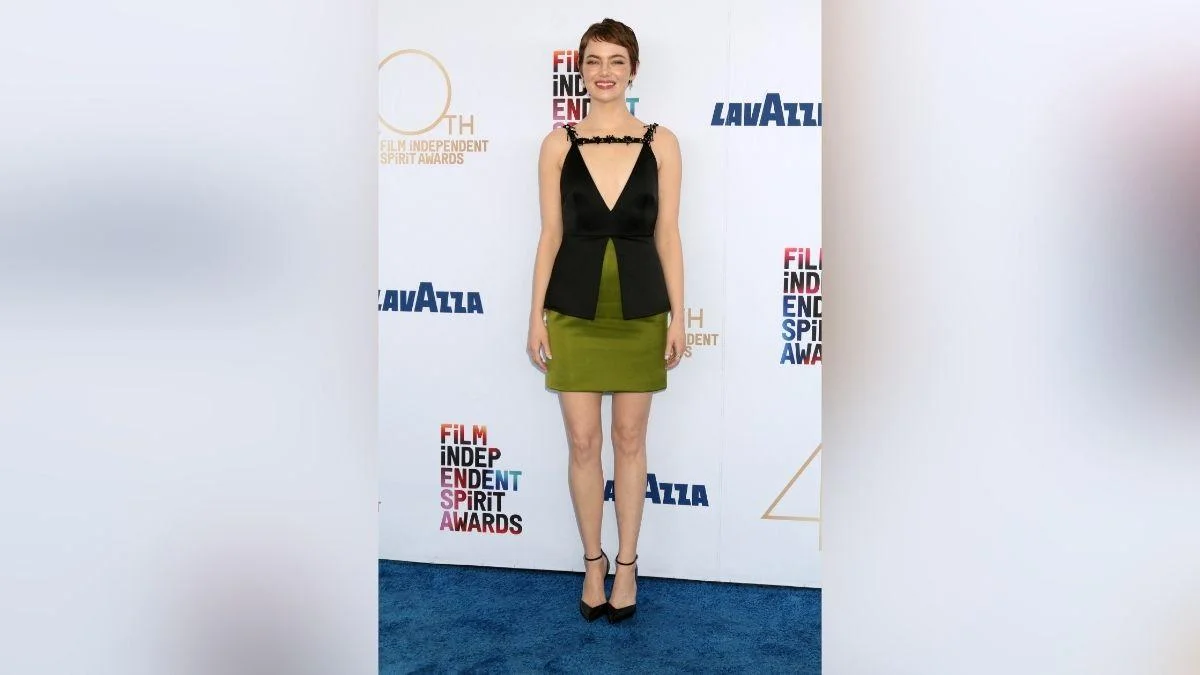
Stone's recent public appearances have fueled external analysis of her evolving features.
Despite her long-standing relationship with the public eye, Stone has refrained from commenting on persistent plastic surgery rumors. Nevertheless, these whispers gained significant traction in 2025, prompting analytical commentary from medical professionals. Dr. Sean McNally, for instance, postulated that the actor may have undergone an upper blepharoplasty to alter the eyelid skin and eyebrow positioning, alongside a potential midface lift to address changes in the cheek and nasolabial areas. Such analyses are standard in modern celebrity reporting, yet they underscore how thoroughly a star's anatomy is subjected to forensic-level observation.
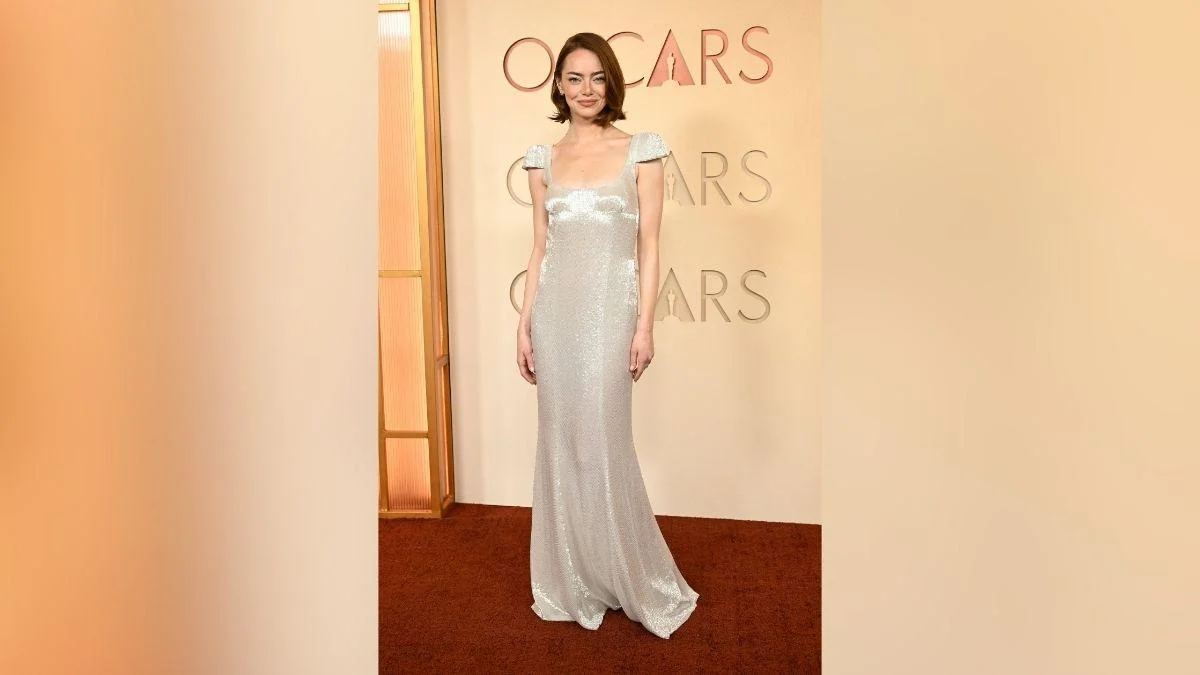
At the 98th Oscars, Stone debuted a high-glamour look featuring a plunging silver gown.
The Implications of Industry-Standard Aging
It is a recurring, almost inevitable theme in celebrity journalism: as stars mature, the discourse inevitably pivots from their sartorial choices—like that iconic 2014 yellow Versace gown for The Amazing Spider-Man 2—to the granular details of their anatomy. This fixation highlights a broader industry problem where female performers are forced into an impossible choice between authentic aging and the demand for a standardized, perennially youthful appearance. Ultimately, whether these recent shifts are the result of rigorous professional grooming, advanced non-surgical aesthetic treatments, or definitive surgical intervention, they remain secondary to the actor's sustained relevance in an entertainment sector that demands perpetual, and often aggressive, reinvention to maintain cultural capital.