Material Obsession: Loro Piana’s Archives Turned Into Art
The Intersection of Craft and Curation
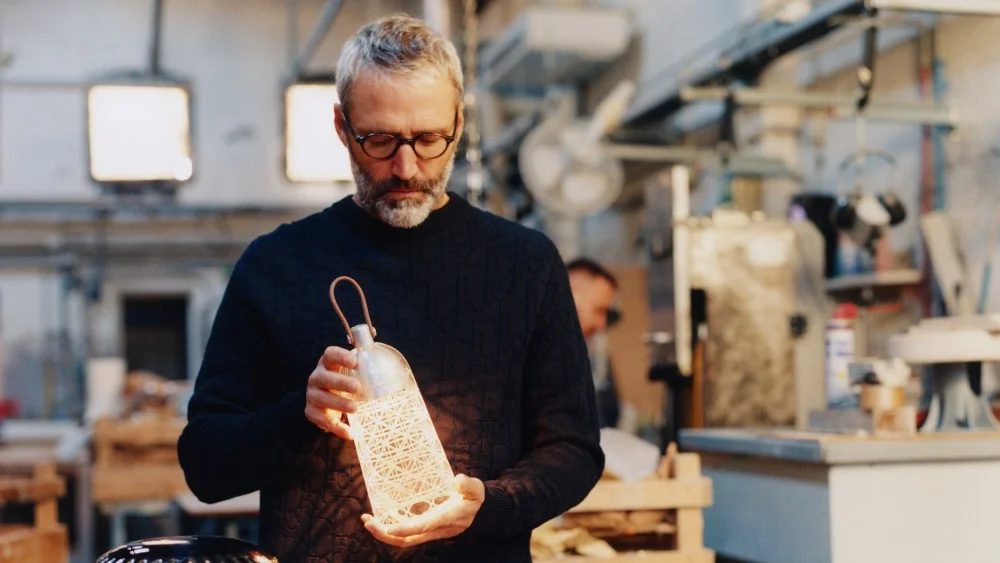
The intersection of high-end textile manufacturing and exhibition design is once again the focus of Loro Piana. As Milan Design Week kicks off, the brand has opened its Milan headquarters to host a new project titled "Studies." The inaugural exhibition centers on the plaid, an object that has served as a cornerstone of the house’s finished-goods catalog since the mid-1980s. This isn't merely a display of inventory; it represents a calculated shift in how heritage brands communicate their technical superiority to an increasingly skeptical consumer base that values provenance over pure branding.
For a company steeped in the technicalities of fiber and loom, this presentation is an exercise in introspection. By isolating the plaid as a medium, the firm aims to demonstrate how historical archive patterns and artisanal construction methods retain their relevance in a modern luxury context. It is a strategic move to reposition their heritage goods not just as functional home accessories, but as objects of rigorous design inquiry. By framing the plaid as a "study," Loro Piana elevates a common household textile into the realm of intellectual property, effectively insulating its retail price points from the volatility of general luxury market trends by asserting a unique, irreplaceable value proposition.
The project arrives at a moment where Loro Piana is eager to assert its mastery over interior design through deliberate, thematic explorations. This first chapter—a curation of 24 distinct variations—effectively signals a move toward a serial approach, where individual functional items are elevated to the status of research specimens. Such a curation strategy allows the brand to lean heavily into its archival narrative without appearing stagnant, ensuring that the legacy of its manufacturing processes remains the primary draw for its elite, design-conscious clientele.
Dissecting the Technical Narrative
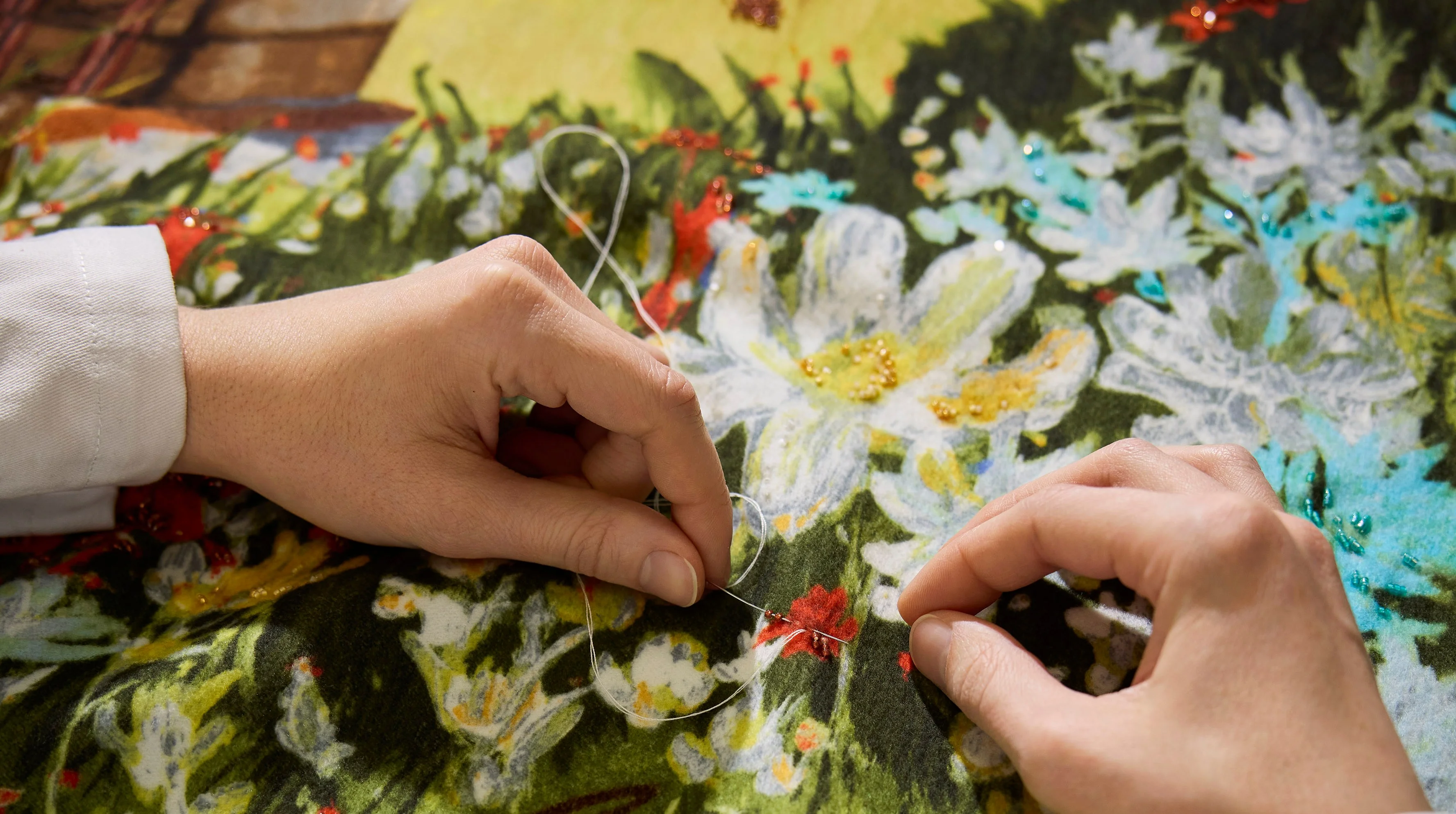
Loro Piana’s decision to deconstruct the plaid highlights the house's long-standing reliance on vertical integration. Unlike competitors who outsource the production of interior goods, Loro Piana maintains an obsessive grip on the supply chain from the raw wool fiber—often sourced from the highest elevations of the Andes or the rugged terrain of Australia—to the final weave. This technical transparency is, in many ways, the brand's primary defensive moat. By showcasing the "Study" of a plaid, they are implicitly inviting the observer to consider the mathematical precision required to achieve specific color depth and tactile density, elements often overlooked in mass-market textile production.
The exhibition succeeds precisely because it avoids the flashiness typical of Milanese displays, opting instead for a clinical examination of weave structures and fiber blends. This shift toward "material honesty" suggests a broader fatigue in the industry regarding logomania and overt status symbols. Consumers are increasingly pivoting toward "quiet luxury" that demonstrates its worth through longevity, touch, and historical continuity rather than seasonal trends. The curation effectively mirrors this consumer sentiment, providing a tangible, logical justification for why a simple blanket commands a price point that would otherwise seem astronomical to an uninitiated observer.
Strategic Implications and Future Outlook
The transition from a fashion house to a purveyor of "design-as-research" marks a significant evolution for Loro Piana. By establishing "Studies" as a serial project, the brand is successfully diversifying its cultural footprint beyond the apparel sector. This move serves as a hedge against the cyclical nature of ready-to-wear fashion, as home goods and interior design items generally possess longer life cycles and more stable demand profiles among the brand's ultra-high-net-worth customer demographic.
Furthermore, this approach provides the brand with a blueprint for future growth that relies on intellectual validation rather than sheer volume. We should expect to see this model applied to other core house materials in the coming years, potentially extending into cashmere processing methods, linen weaves, or even the chemical-free dying processes that the brand has championed. By converting their headquarters into a site of inquiry, Loro Piana is essentially turning their corporate image into a museum-grade reference point. This strategy is likely to solidify their position not just as a retail destination, but as a standard-bearer for textile engineering, making it increasingly difficult for competitors to replicate the brand’s unique blend of artisanal heritage and technical excellence.
If you find yourself regularly tracking the pulse of the fashion and retail industries, consider formalizing that habit. Signing up for the WWD daily newsletter remains the most efficient way to ensure our coverage reaches your inbox without manual monitoring.
Editors' Picks
Beyond our primary reports, this week’s editorial selections highlight a shift toward experiential luxury and refined bridal aesthetics:
- The 2026 Save Venice Gala: Kristen Tauer reports on the evening’s festivities, which served as a backdrop for spotlighting emerging talent from the CFDA.
- Bond-eye’s NYC Expansion: Lisa Lockwood covers the Australian swimwear label’s move into a permanent physical footprint on Bleecker Street.
- Bridal RTW: Eryn Norton evaluates the latest Fall 2026 bridal presentation from Hayley Paige.
Industry Video
For a look at the glamour behind the runway, watch our feature: Getting Ready for Marc Jacobs 2026 with Nicky Hilton. As the industry recalibrates its 2026 strategies, we anticipate that high-profile influencer partnerships will continue to dictate the speed at which collection debuts travel from the front row to the retail floor.