The Structural Shift in High-End Furniture Design
The Molteni Group is increasingly looking beyond its traditional residential furniture base to find more resilient revenue streams. While the Giussano-based firm—which encompasses the prestigious Molteni&C, Unifor, and Citterio brands—remains a foundational name in high-end domestic interiors, its current trajectory is defined by a calculated pivot toward the contract and hospitality sectors. This is not merely a brand extension; it represents a fundamental recalibration of how the company manufactures, markets, and services its output, moving away from individual consumer tastes toward the standardized yet high-volume demands of international corporate architecture and cruise ship outfitting.
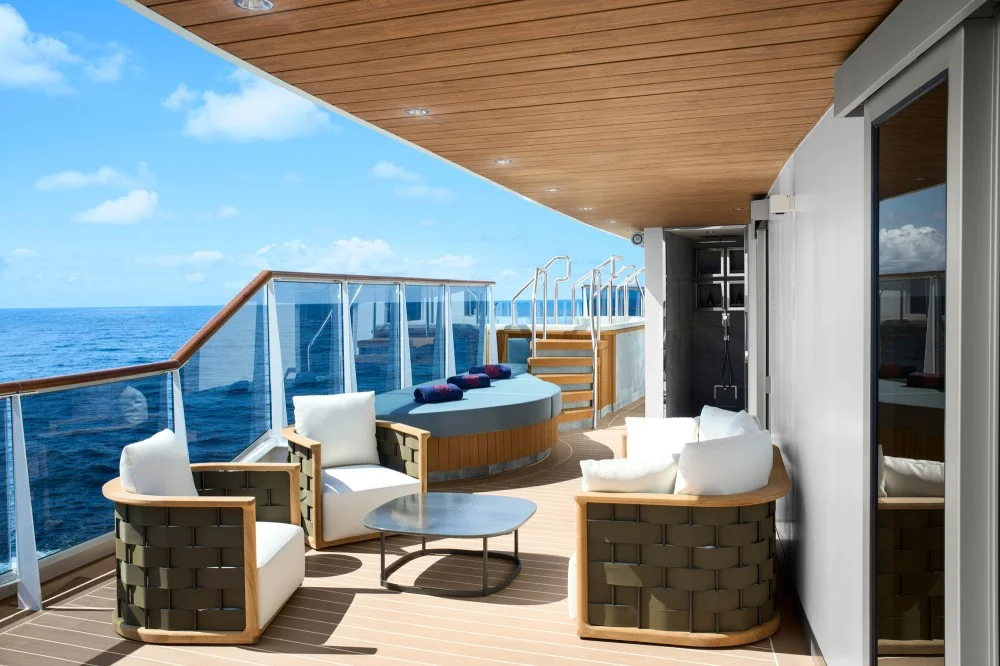
From the high-traffic corporate offices of J.P. Morgan in New York to the carefully curated, bespoke cabins of luxury cruise lines like Explora Journeys, the company is betting heavily on large-scale commercial integration. This move requires a different operational rigor, where products must withstand extreme environmental variables—such as the corrosive salt air of maritime travel or the intense wear-and-tear of a global banking headquarters—without sacrificing the aesthetic provenance the brand is famous for. By diversifying into these high-value environments, the group effectively creates a strategic hedge against the notoriously fickle nature of the global retail market.
The Economics of Risk Mitigation
Luxury retail spending is often the first category to contract during periods of economic uncertainty, making it a volatile pillar for any business to rely upon exclusively. CEO Marco Piscitelli has identified this dual-track model as the primary engine behind the company’s recent financial stability, arguing that it ensures the business remains insulated even when consumer-facing channels hit a rough patch. Unlike retail, where a single collection can succeed or fail based on seasonal whims, the contract sector operates on long-lead project cycles that provide a more predictable, albeit highly competitive, revenue runway.
The transition into corporate contract work forces a brand to prove its durability under pressure, a test that many aesthetic-heavy brands fail. Unifor and Citterio, in particular, provide the technical backbone for this transition, focusing on modularity, acoustic management, and ergonomic standards that typical residential designers rarely prioritize. By leaning into these specialized divisions, the group avoids the trap of being perceived purely as a lifestyle brand, positioning itself instead as an infrastructure partner for architects and developers who demand both reliability and prestige.
Implications for the Design Industry
The broader implications of this move suggest that the distinction between "residential" and "contract" design is rapidly dissolving. As high-net-worth individuals increasingly look for home offices that mirror the technical sophistication of their workspaces, and as commercial offices adopt the softer, more residential aesthetic of a home environment, the Molteni Group is perfectly positioned to capitalize on this convergence. By mastering both, they are effectively locking in clients at the corporate level and then cross-selling that same design language into their private residences, creating a seamless ecosystem of brand immersion.
However, this strategy carries its own set of long-term risks. Over-committing to commercial contracts can dilute the exclusivity that justifies premium pricing in the retail sector, as ubiquity is rarely a friend to luxury. If a client sees the same Molteni sofa in a dozen different corporate boardrooms, the perceived value of that item for their private living room may diminish. Navigating this fine line between mass commercial presence and artisanal luxury will define the next phase of the group's leadership. The company must prove that it can scale its production without succumbing to the commoditization that has eroded the standing of other historical design houses in the past decade.
The Future Outlook: Stability Over Novelty
Looking forward, the success of the Molteni Group will likely hinge on its ability to maintain its design pedigree while operating as a massive industrial engine. The shift toward hospitality and contract work suggests a move toward "slow growth" models, where long-term partnerships with developers take precedence over the rapid turnover of seasonal retail catalogs. In an era where supply chain disruption and material cost volatility remain constant, having a firm grip on large-scale projects offers a degree of insulation that few furniture manufacturers can replicate.
Ultimately, the group is betting that their legacy of Italian craftsmanship is robust enough to survive the harsh requirements of the global hospitality sector. If they continue to secure major contracts with firms like J.P. Morgan, they will validate the idea that high-end furniture can be a reliable B2B service rather than just a B2C accessory. Whether this approach keeps the brand relevant among the next generation of design-conscious buyers, or transforms them into a faceless component of the corporate real estate machine, remains the most pressing question for the industry to watch.