Ryan Reynolds Defends Blake Lively Amidst High-Stakes Legal Battle
The Disconnect Between Public Perception and Private Reality
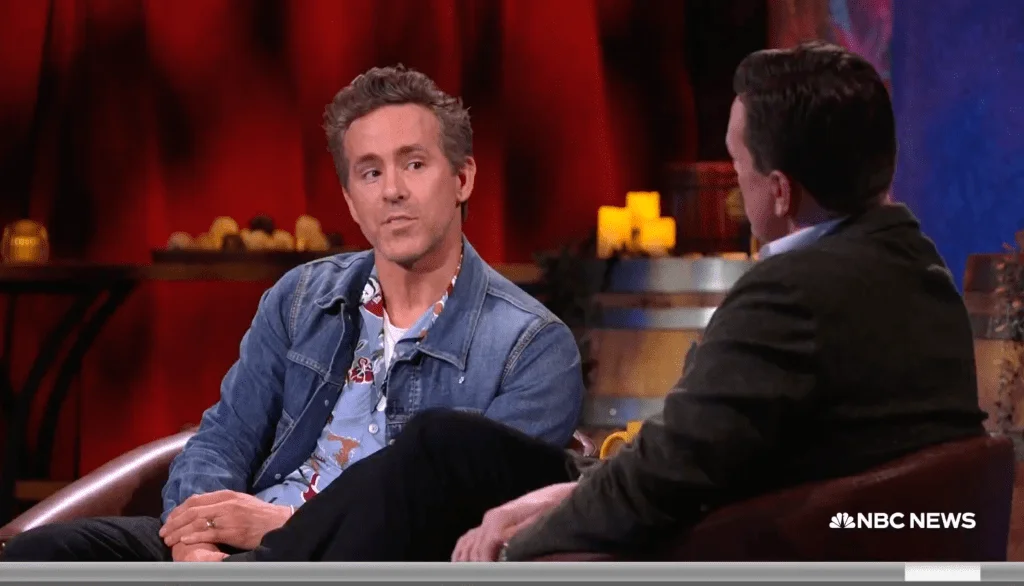
Ryan Reynolds has publicly reaffirmed his commitment to Blake Lively as her protracted legal dispute with It Ends With Us co-star and director Justin Baldoni continues to draw intense media scrutiny. During a recent appearance on Sunday Sitdown with Willie Geist, the 49-year-old actor dismissed the public noise surrounding the conflict, suggesting that observers are largely disconnected from the actualities of their private lives. In an era where digital discourse often dictates the professional trajectory of A-list stars, Reynolds’ decision to address the matter head-on signals a strategic effort to insulate the family unit from the corrosive effects of online vitriol and unchecked speculation. He effectively frames this as a managed crisis, implying that the frenzy currently driving the news cycle is an artificial construct that bears little weight on the couple's actual decision-making processes or their internal support systems.
The Industry Narrative and the Question of Brand Viability
Reynolds framed the situation as a dichotomy between reality and the digital narrative, expressing profound pride in his wife’s integrity throughout the ordeal. His comments arrive in the wake of speculative reports suggesting the It Ends With Us drama has damaged Lively’s industry standing. Some anonymous sources, including a purported Disney executive speaking to the Daily Mail, have gone as far as claiming her reputation in Hollywood has been compromised, even suggesting a potential relocation to the UK for a professional rebrand. This type of corporate whisper campaign is standard operating procedure in Hollywood when a high-value asset becomes mired in public litigation. Whether these claims reflect genuine executive sentiment or are simply tactical maneuvers to test the market's appetite for her future projects remains an open question, though the timing of such leaks is rarely accidental.
Legal Escalation: A Timeline of Conflict
The conflict traces back to December 2024, when Lively initiated a sexual harassment and retaliation lawsuit against Baldoni. The director initially attempted to counter with a $400 million suit, which was dismissed by the court in June 2025, clearing the way for discovery and trial preparation. However, the legal momentum has recently shifted in Baldoni’s favor; earlier this month, a judge dismissed 13 of the allegations brought by Lively, a significant procedural win that narrows the scope of the potential evidence permitted at trial. This attrition of claims suggests that while the original complaint was broad, the court’s threshold for what constitutes actionable harassment in this specific professional context is high, forcing both legal teams to pivot their strategies significantly as they approach the discovery phase.
Implications for Future Studio Dynamics
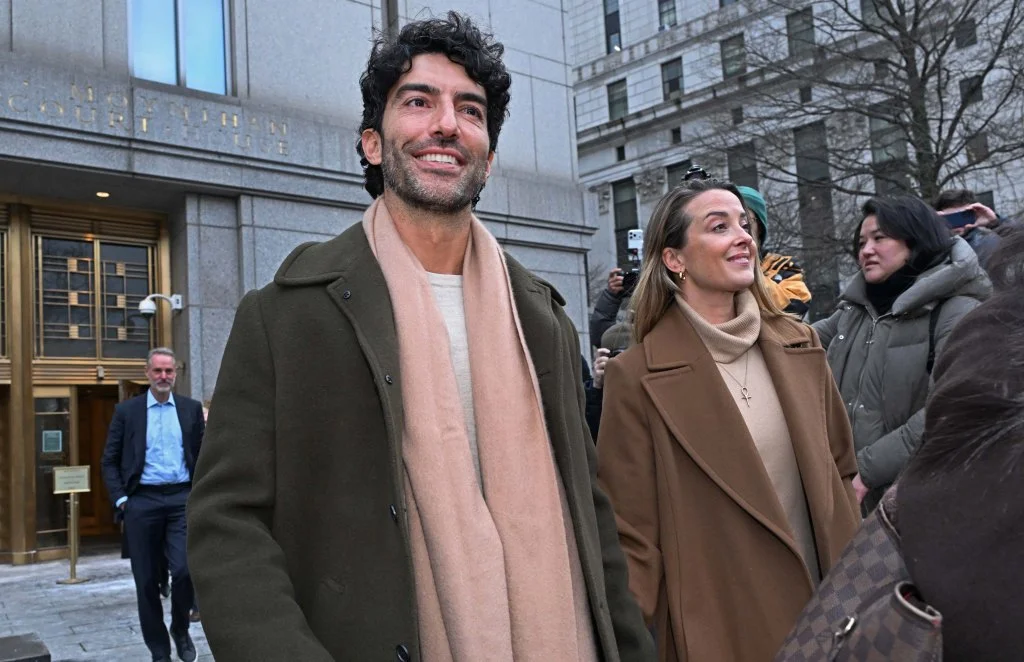
Baldoni’s legal team expressed satisfaction with the recent ruling, citing it as a result of a "careful review of the facts." For her part, Lively utilized Instagram to reiterate her position, characterizing the suit as a necessary response to retaliation rather than a personal vendetta. With settlement discussions yielding no result, the parties are currently scheduled to face off in court on May 18. This case has broader implications for how studios handle on-set disputes, as the public nature of the confrontation threatens to chill the collaborative environment necessary for independent and mid-budget film production. As the industry watches these two figures head to trial, the outcome will likely set a precedent for how future workplace misconduct claims are mediated—or litigated—in the highly visible world of big-budget entertainment. The refusal to settle suggests that both parties believe they have more to gain from a public vindication than from the quiet resolution that usually governs these disputes in the Hollywood ecosystem.