The Structural Shift in China’s Luxury Consumption
MILAN — The narrative surrounding China’s luxury sector has fundamentally shifted from a period of unbridled optimism to one of hard-nosed pragmatism. What was once viewed by Western executives as an inexhaustible growth engine is now a maturing, complex marketplace where the promise of easy expansion has been replaced by the reality of a cooling domestic economy and a persistent housing downturn that has sidelined a significant portion of the aspirational middle class. This contraction is not merely cyclical; it represents a structural realignment of how Chinese wealth is being deployed. As consumer preference tilts toward domestic alternatives that blend modern nationalism with high-end craftsmanship, some international firms are retreating from Tier 2 and Tier 3 cities, while others—particularly European design houses—are choosing to double down on the remaining pockets of extreme high-net-worth liquidity.
Data-Driven Realities and the End of Easy Growth
According to a recent analysis from Barclays, the industry’s reliance on a rising tide to lift all ships is officially over. Brand executives who once relied on sheer scale and rapid store counts are discovering that such strategies are liabilities in the current climate. Success in China now demands a level of surgical precision that many legacy firms struggle to execute. Brands must demonstrate acute local relevance, flawless operational execution, and a clear, defensible market position to survive. The luxury consumer in cities like Shanghai and Beijing is increasingly sophisticated, moving away from logos toward craftsmanship, which forces international retailers to justify their premiums through superior service models and hyper-localized product assortments that acknowledge Chinese living spaces and cultural aesthetics.
The Filter for Excellence in European Design
For the European high-end furniture and design industry, this cooling isn't a signal to exit the region; it serves as a necessary filter for excellence. The firms currently expanding are those that treat the Chinese consumer with the same level of granular sophistication they apply to their heritage markets in Italy and France. These brands are betting that authentic quality and centuries-old brand pedigree will trump macro-level economic headwinds, provided they can maintain the "aura" of the product. They are avoiding the trap of chasing volume and instead focusing on private client sales, bespoke commissions, and interior design partnerships that bypass the volatile mass-market fluctuations. By prioritizing exclusivity over ubiquity, these heritage houses are attempting to insulate themselves from the general downturn, proving that even in a strained economy, the top tier of the market remains remarkably resilient.
Strategic Implications and Long-Term Viability
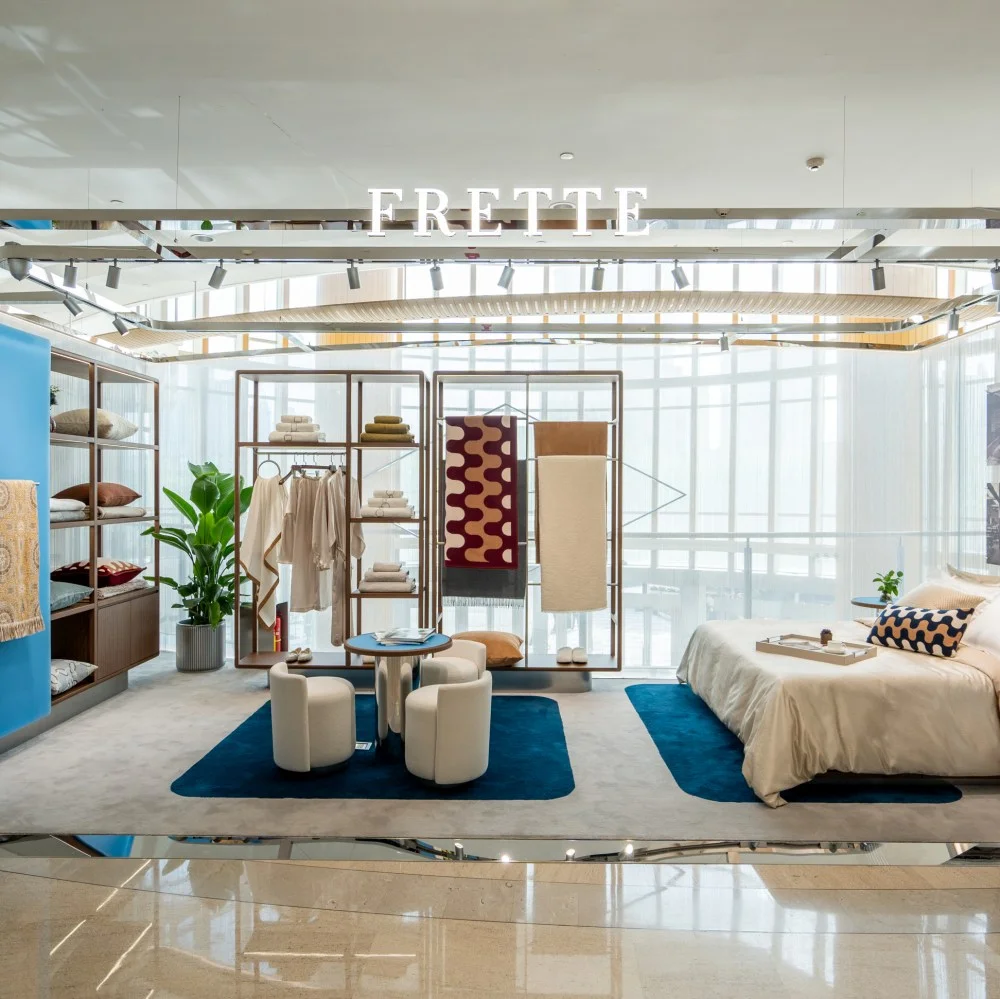
The significance of this transition cannot be overstated; we are witnessing the professionalization of the Chinese luxury buyer. As these consumers demand more than just heritage—they demand utility and integration—the traditional "European export" model is being challenged. Moving forward, the most successful brands will likely be those that transition from being mere storefronts to becoming integral components of the lifestyle ecosystem of the Chinese elite. This means moving past standard retail footprints into immersive, culturally aligned spaces that prioritize long-term brand loyalty over short-term transaction volume. While the headlines focus on the cooling economy, the underlying story is a shift toward a qualitative war. The brands that fail to adapt their supply chains, regional marketing, and clienteling standards to this more discerning environment will likely be pushed out by more agile, locally-integrated competitors. The era of the "global brand" is being replaced by the era of the "hyper-local global brand," and the transition will be neither smooth nor inexpensive for those stuck in their old habits.
Recommended Reading
- Buccellati’s ‘Aquae Mirabiles’ installation at Milan Design Week. (Reported by Luisa Zargani)
- An look at Zeelool’s approach to the accessible eyewear market.
- Styling notes on Elizabeth Banks in Simkhai. (Reported by Julia Teti)
Behind the Scenes: Marc Jacobs 2026
Catch Nicky Hilton preparing for the upcoming season in our latest video segment: Watch here.