The intersection of celebrity branding and high-ticket event management has encountered a friction point that underscores the risks of aggressive monetization. During a recent Australian tour, Meghan Markle’s involvement in an exclusive wellness retreat at the InterContinental Sydney Coogee Beach sparked immediate backlash, centering on the disconnect between participant expectations and the reality of the deliverables.
For attendees who reportedly paid approximately $3,000 per ticket, the expectation of a "girls' weekend retreat" implied sustained access or significant engagement with the high-profile guest. However, the actuality of the event—an appearance lasting roughly two hours—highlights a growing tension in how celebrity-led events are marketed versus how they are executed. While a representative for Markle confirmed that her involvement was always limited to a scheduled Q&A session, the attendee reaction suggests that the promotional framing of the "weekend" may have inadvertently created a value proposition that could not be reconciled with a brief, staged appearance.

Meghan Markle and Prince Harry arrived in Australia on April 14.
The financial mechanics behind such events often rely on the prestige of the guest to justify high price points, but the fallout from this particular engagement reveals the fragility of that model when the guest's time is severely constrained. With a reported fee of $150,000 for the appearance, the transaction represents a significant investment by the organizers, which, by necessity, requires a high per-head cost for attendees to recoup. When the core "asset"—the time and presence of the celebrity—is delivered in a compressed, transactional format, the perceived return on investment for the audience collapses, leading to vocal dissatisfaction.
This episode serves as a case study in the optics of modern celebrity branding. The critical discourse online suggests that audiences are increasingly scrutinizing the authenticity of high-priced "access" events. When an event is marketed under the umbrella of a "retreat" or shared communal time, but functions merely as a lecture series, the brand equity of the guest is prone to degradation. Social media commentary highlighted this frustration, with participants questioning the value of the encounter when the expected level of interaction was absent.
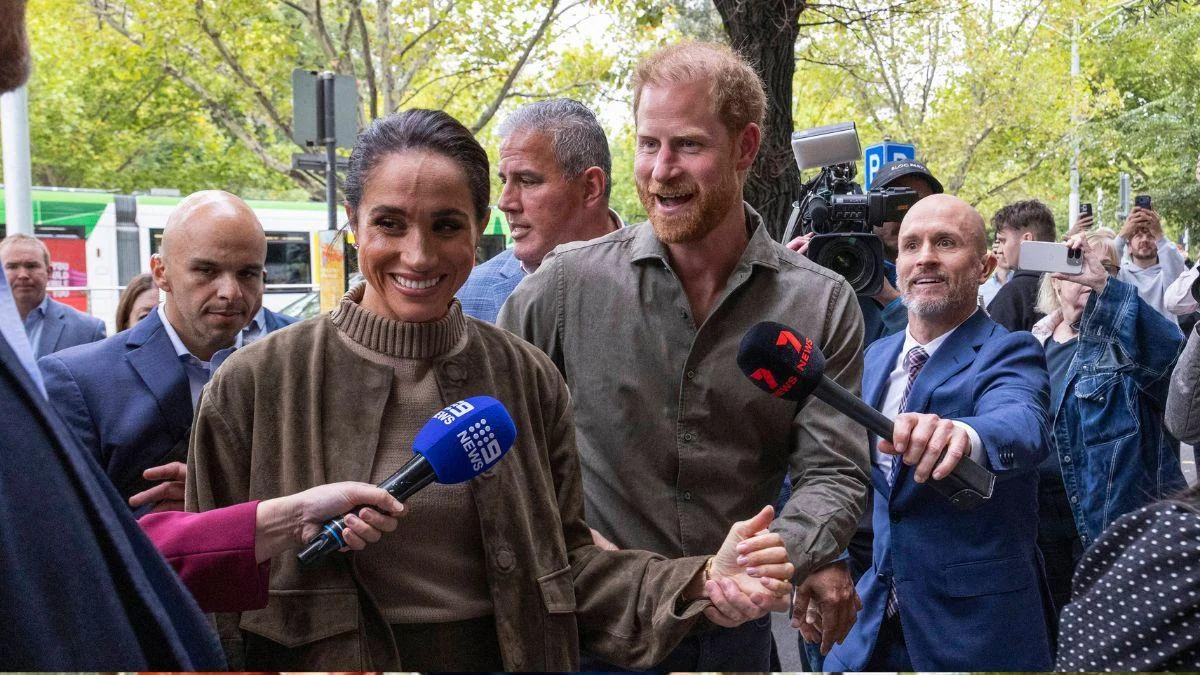
Meghan Markle was paid $150,000 for the retreat event.
The incident also provides a sharp contrast to the messaging Markle has delivered throughout her Australian tour. Days prior to the retreat, she engaged with youth mental health initiatives, positioning herself as a target of global online abuse and a survivor of a decade-long cycle of bullying and criticism. By placing herself in the role of a victim of a "billion-dollar industry" predicated on cruelty, she has attempted to pivot the narrative toward her own resilience. However, the subsequent criticism regarding the $3,000 retreat suggests that her professional activities are often viewed through a more cynical lens—one that weighs her charitable advocacy against the commercial realities of her public-facing ventures.
For high-profile individuals, the transition into private-sector monetization is fraught with reputational risk. While booking appearances is a standard revenue stream for public figures, the "retreat" format requires a level of intimacy that is fundamentally at odds with the high-security, high-cost protocols typically required for celebrities of that stature. The inability of the organizers to bridge the gap between "exclusive event" and "intimate experience" has left the audience feeling commodified rather than included.
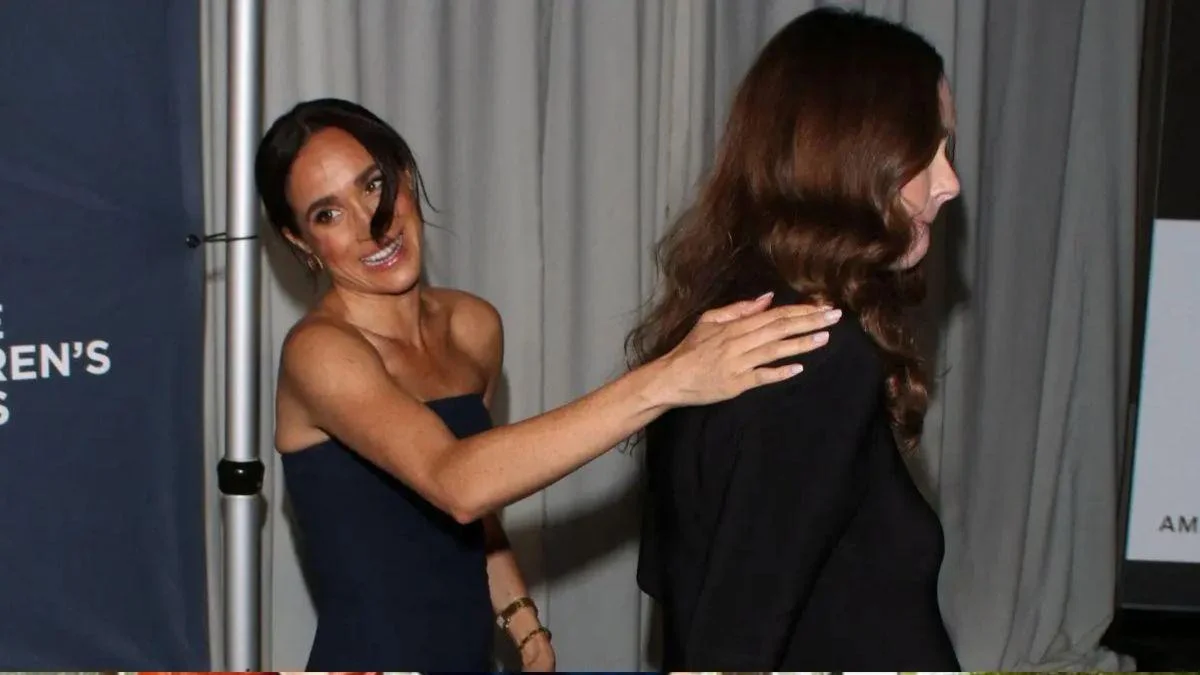
Meghan Markle said she's been bullied online for 10 years.
The fallout ultimately underscores a recurring theme in the management of modern celebrity portfolios: the difficulty of maintaining a narrative of accessibility while simultaneously operating at a price point that necessitates rigid compartmentalization. Whether these events are designed to foster connection or merely maximize short-term revenue, the mismatch between marketing and delivery will likely continue to draw sharp criticism from the very audience they are intended to serve.
Moving forward, the primary challenge for the Sussex brand will be to align the scale of these public-facing engagements with their public image. Should the pattern of high-cost, low-access appearances continue, the risk is not just a series of bad headlines, but an eventual decline in the willingness of corporate entities to sponsor such appearances. The market for celebrity-led events is currently correcting, and audiences are demonstrating a low tolerance for events where the primary value proposition is simply the guest's physical proximity.