The Cost of Public Recovery: Taylor Frankie Paul’s Latest Statement
By Jolie Zenna | April 19, 2026, 8:11 p.m. ET
The Performance of Transparency
Taylor Frankie Paul is currently attempting to reframe her public image in the wake of a turbulent legal stretch. The Secret Lives of Mormon Wives personality recently took to Instagram to post a series of vulnerable self-portraits, characterizing them as the "ugly parts" of her ongoing recovery process following a volatile domestic dispute with former partner Dakota Mortensen. This strategic pivot toward curated vulnerability is a hallmark of modern reality stardom, where personal crises are rarely kept private but are instead packaged as a brand-building arc of self-actualization. By framing these images as a raw documentation of recovery, Paul attempts to reclaim a narrative that has been dominated by leaked footage and legal filings, effectively turning her personal turmoil into a form of content that invites follower empathy.
The post arrives just days after the Salt Lake County District Attorney’s office confirmed it would not be moving forward with additional charges against the 31-year-old. This decision effectively closes a chapter of multiple investigations into domestic violence claims spanning several years, though the legal system’s reasoning highlights the complexities of documenting such disputes in the age of viral media. While the legal file may be marked closed, the digital record remains permanently etched, ensuring that the gap between her curated social media persona and the objective reality of her private conflicts remains a point of intense scrutiny.
A Legal Stalemate
The DA’s decision to decline prosecution hinged on evidentiary limitations that are common in cases involving high-profile, long-term volatility. According to the official statement, investigations conducted by the Draper and West Jordan police departments stalled because many of the incidents reported by the complainant were either too old to be prosecuted under the statute of limitations or lacked the specific corroboration required to prove a criminal offense beyond a reasonable doubt. This highlights a recurring friction between the court of public opinion, which is often swayed by video clips and hearsay, and a legal system that demands a standard of proof rarely met in chaotic, private domestic settings.
For Paul, the resolution feels like a reprieve, but it is not a complete exoneration of her conduct. In her social media commentary, she noted that she received confirmation that the charges were dropped exactly seven weeks after the final investigation began, describing the entire ordeal as a "public atrocity" that she believes came at a high personal cost. By framing the investigation itself as the "atrocity," she shifts the focus away from the underlying behavior that necessitated police intervention, choosing instead to focus on the reputational damage caused by the process. This specific framing suggests a media-savvy effort to minimize previous actions by positioning herself as a victim of institutional overreach rather than a participant in her own legal instability.
The Economic and Professional Fallout
The fallout from these recurring allegations has been significant, proving that even a massive social media following is not enough to insulate a personality from the practical consequences of personal volatility. The ongoing legal pressure previously forced a production hiatus on Season 5 of Secret Lives of Mormon Wives, disrupting the lucrative ecosystem of reality television production. Furthermore, ABC opted to scrap her season of The Bachelorette after leaked footage surfaced from a 2023 incident showing a physical altercation between her and Mortensen in the presence of her young daughter. These cancellations illustrate the risk-averse nature of corporate media conglomerates; when the real-world conduct of a star crosses from "dramatic" to "criminal liability," the commercial viability of that star vanishes almost overnight.
As she attempts to move forward, Paul claims she is prioritizing "the nervous system" and basic self-care, promising to document the rebuild with the same transparency she applied to her most scrutinized moments. This approach is standard procedure for public figures in distress: they use the terminology of therapeutic healing to provide a buffer against public cynicism. By rebranding her personal failures as a "nervous system" struggle, she creates a pathway for redemption that prioritizes internal feelings over external accountability, leaving her audience to decide if this is genuine growth or another layer of public performance.
Implications and the Future of Reality Stardom
The situation involving Paul and Mortensen signals a shifting threshold for how reality television networks manage their talent’s off-camera behavior. For years, the "bad behavior" of reality stars was considered an asset—a driver of ratings and engagement. However, the combination of widespread smartphone footage and more rigorous scrutiny from streaming platforms and broadcast networks has created a new standard. Paul is currently the test case for whether a personality can survive a transition from "chaotic fan favorite" to "legal liability."
Her recovery, however, is being contested in the quiet, brutal space of the courtroom rather than the loud, performative space of Instagram. Although legal authorities have dropped the recent criminal charges, the situation remains far from resolved. She is currently entangled in an intense custody dispute with 33-year-old Dakota Mortensen, a process initiated after he secured an order of protection. At present, the courts have granted temporary custody of their 2-year-old son, Ever, to Mortensen. Paul’s access to the toddler has been restricted to supervised visitation, a measure imposed following judicial scrutiny of her erratic behavior. This custody battle serves as a cold, clinical counterweight to the warmth of her social media recovery narrative. It suggests that while public perception can be manipulated through careful self-disclosure, the judicial system operates on a different, more exacting set of evidence that prioritize stability over image-building.
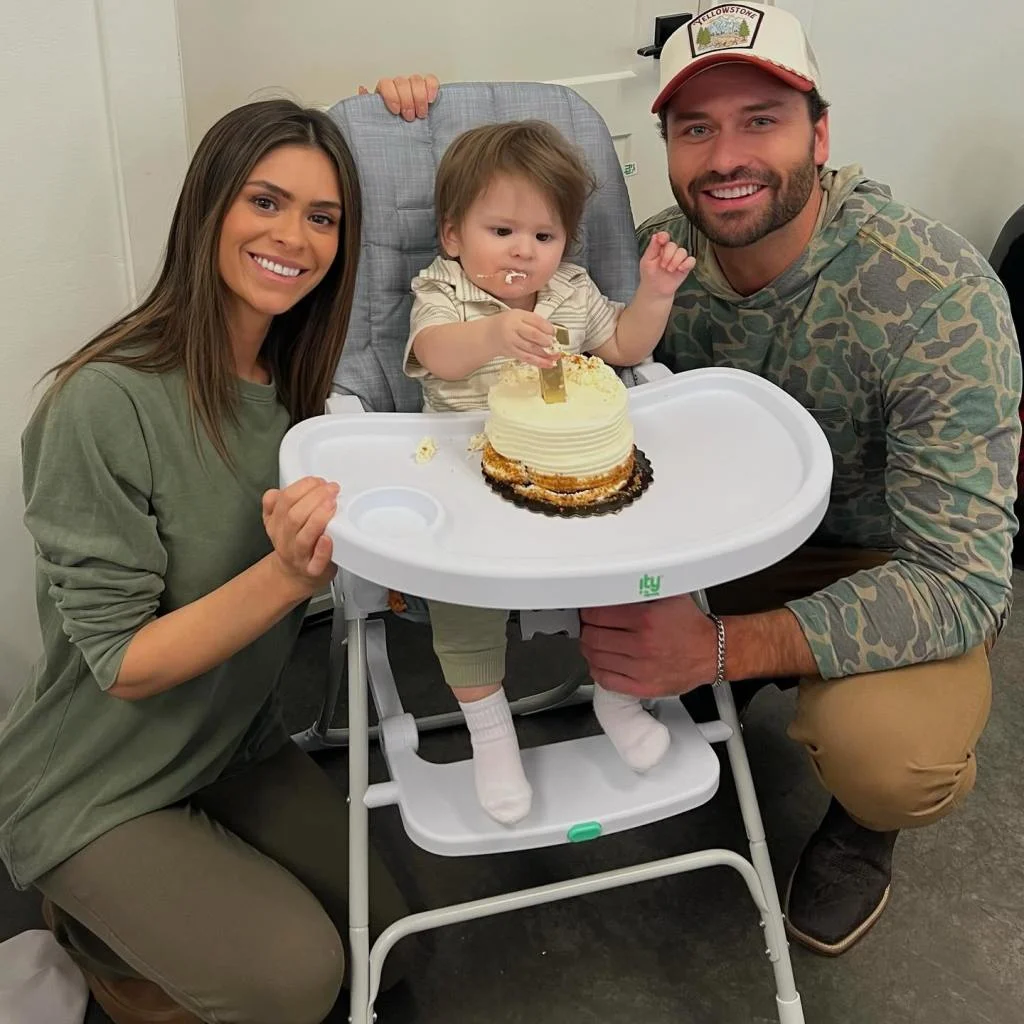
The transition from headline-grabbing social media drama to the clinical, restrictive environment of family court serves as a sobering reminder of the long-term fallout that follows public domestic disputes. While the criminal case may be closed, the evidentiary weight of her documented behavior continues to reshape her domestic reality. For the audience, the lesson is clear: no amount of digital transparency can retroactively sanitize an act of violence. The future of her career likely depends on whether the public can move past the images of her past to accept this new "recovered" identity, or if the gravity of the custody battle will keep her permanently anchored to the controversies of the last three years.
If you or someone you know is affected by any of the issues raised in this story, call the National Domestic Violence Hotline at 1-800-799-SAFE (7233) or text START to 88788.