Production Roadmap: The Strategic Shift Behind 'Heated Rivalry' Season 2
Following a breakout 2025 that established Heated Rivalry as a premier title for Crave, the production team is navigating the classic sophomore-year pivot. Creator Jacob Tierney has formalized the show’s trajectory, targeting an April 2027 release window. While the high-velocity narrative of the inaugural season helped solidify its audience, the production schedule for the second installment reflects a measured departure from that aggressive pace. By opting for a 20-month gap, the studio is signaling a transition from "start-up" enthusiasm to a long-tail franchise management strategy, prioritizing the structural integrity of the script over the fleeting engagement metrics that often dictate annual broadcast cycles.
The Production Bottleneck and Development Reality
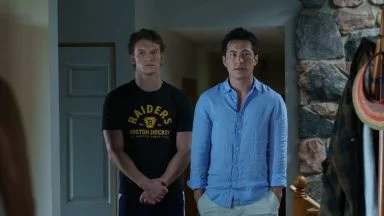
The timeline has been a subject of industry scrutiny since the series concluded its debut run in November 2025. Tierney acknowledged in a Variety interview that the writing cycle for the second season experienced a notable delay, with zero scripts completed as of December 2025—a significant deviation from the previous year’s progress. Filming is currently slated to commence in August 2026, a move designed to facilitate a spring 2027 premiere. Tierney has openly resisted the pressure for a rushed turnaround, opting for a longer development cycle to maintain narrative quality over immediate output. This suggests that the production is moving away from a writer’s room style that relies on rapid, reactionary drafting toward a more deliberate pre-production phase.
Stylistic Evolution: From Rivals to Reality
Beyond the logistics, the show is signaling a stylistic evolution. The transition from the Heated Rivalry narrative arc—which centered on the high-tension, early-relationship dynamics of Shane Hollander and Ilya Rozanov—toward the more mature, established relationship depicted in Rachel Reid’s The Long Game suggests a shift in tone. According to comments made at BookCon, Tierney intends to push the series into “much more serious territory.” This suggests the show is leaning into character development and long-term domestic tension, moving away from the initial “rivals-to-lovers” framework that defined its early viral success. For the audience, this implies a move from the dopamine-heavy conflict of competition to the quieter, more complex realities of professional sports longevity and public-facing intimacy.
Cast Continuity and Narrative Anchoring
The cast stability remains a point of continuity, serving as a hedge against the risks inherent in altering the show's tone. Lead actors Hudson Williams and Connor Storrie have confirmed their return, with professional obligations extending to a three-season commitment. Supporting cast members, including Christina Chang and Dylan Walsh, are also slated to return. Chang has specifically highlighted the continued exploration of Yuna’s support for the central couple as a narrative anchor, ensuring the world remains grounded even as the protagonists navigate increasingly complex personal pressures. Their consistent involvement provides the necessary anchor for a transition that risks alienating fans of the original’s more frenetic pacing.
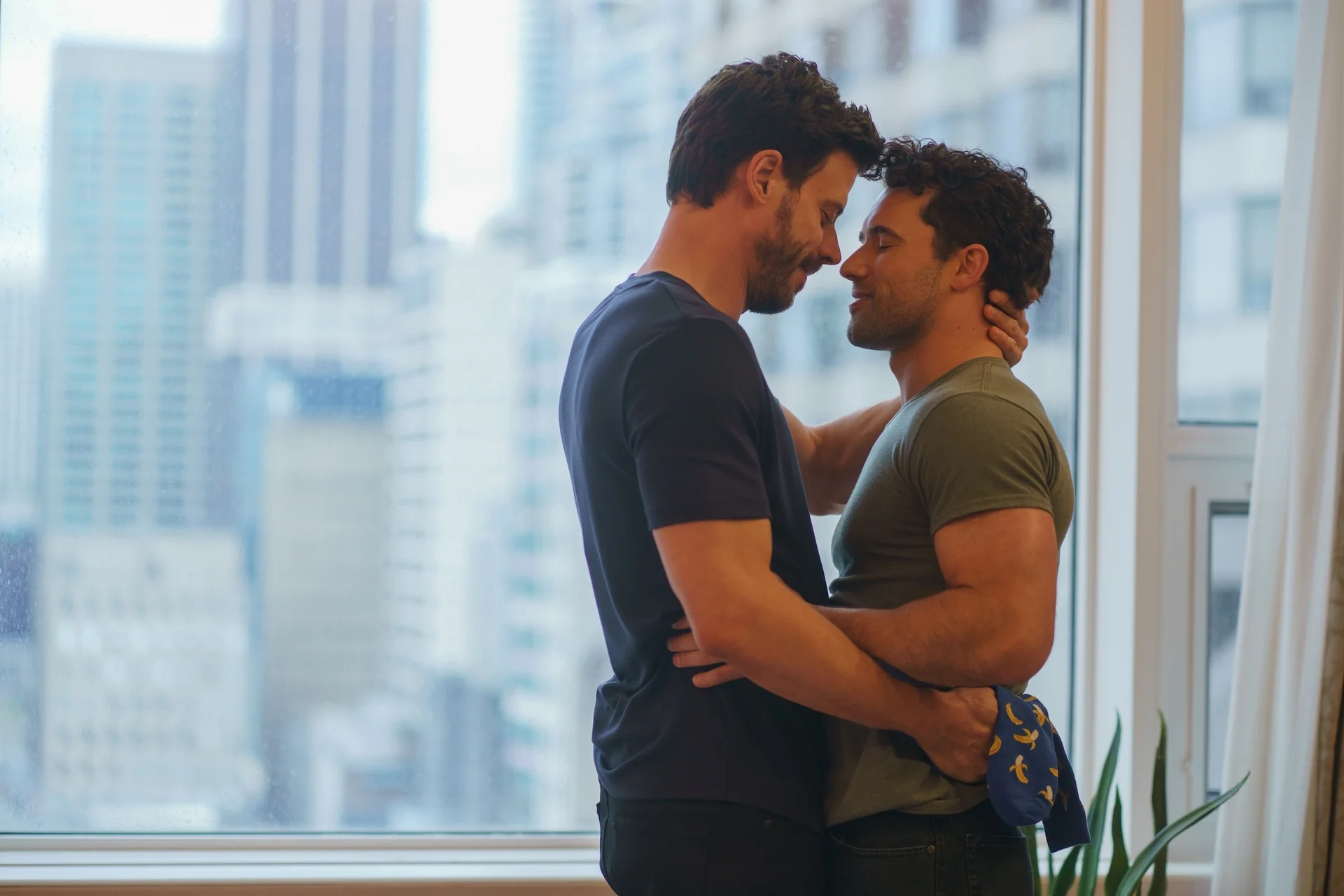
Furthermore, the ensemble will retain François Arnaud and Robbie G.K., who portray Scott Hunter and Kip Grady. While their inclusion bridges the show to the Game Changers spin-off material, internal signals from the production confirm that the narrative focus will remain firmly fixed on the core Hollander-Rozanov dynamic. Fans looking for an expanded universe may find the scope limited to the primary couple’s experience, regardless of the recurring presence of secondary characters. This decision highlights a refusal to dilute the brand's primary asset—the specific, high-stakes chemistry between its leads—in favor of broad, world-building tangents.
Significance: The Maturity of the Streaming Franchise
The strategic choice to avoid a "same time next year" release rhythm is a calculated risk that reflects a maturing streaming ecosystem. By allowing for a longer lead time between seasons, the production is effectively prioritizing brand longevity over the immediate, often depleting, pressure of annual release windows. Whether this shift toward a more "serious" tone and a slower development cycle results in a product that retains the audience engagement of the first season remains to be seen. Given the high stakes of 2025’s record-setting performance, the 2027 window will be the ultimate test of whether the IP can sustain its momentum without relying on the novelty of its initial premise. If successful, this path offers a blueprint for other niche dramas to transition from viral hits to enduring, prestige-adjacent franchises.
Industry observers should keep an eye on the August 2026 production start date; any deviation from this timeline would likely indicate further script-level adjustments or logistical friction. For now, the blueprint is clear: a 20-month gap between seasons, a pivot to more mature themes, and a commitment to the three-season contract trajectory. This level of transparency in the production schedule is uncharacteristic, yet it signals a confidence that the audience—and by extension, the studio—is willing to wait for a more refined, deliberate second act.