The Balancing Act: Vanessa Trump’s Role in Tiger Woods’ Post-DUI Recovery
By Jolie Zenna | April 19, 2026
The Clinical Turn in a Public Crisis
Following Tiger Woods’ recent arrest on DUI charges after a rollover collision in Jupiter Island, Florida, the focus has shifted from athletic performance to the mechanics of his rehabilitation. Reports indicate that his partner, Vanessa Trump, is acting as a primary stakeholder in his recovery strategy, actively advocating for intensive, private clinical care rather than outpatient alternatives. This push for total seclusion suggests an acknowledgment that the traditional public-facing recovery models, which often involve sporadic check-ins, are no longer sufficient to handle the complexity of his current health struggles.
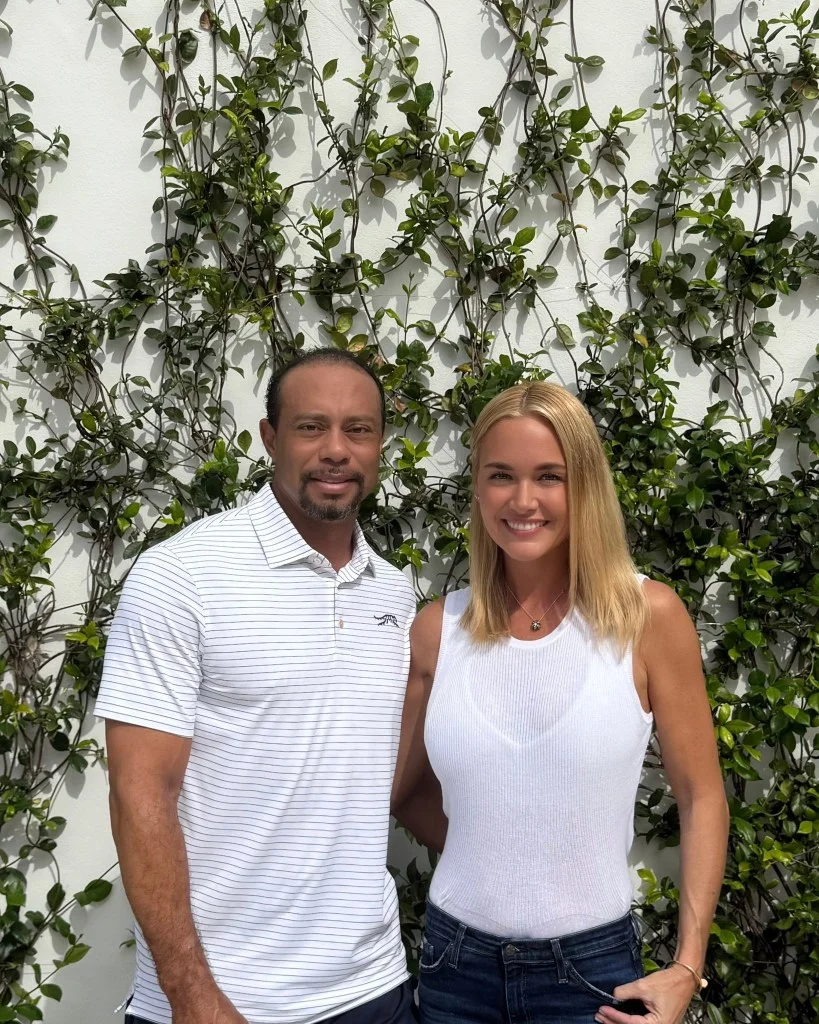
Sources familiar with the couple’s situation suggest that while Trump initially viewed the arrest as a significant red flag, she remains committed to his rehabilitation process. Insiders describe a high-stakes dynamic where Trump provides a stabilizing, optimistic influence despite the long road ahead for the golfer. Woods has faced persistent, well-documented scrutiny regarding his ongoing physical pain, and the integration of professional clinical support is seen by those close to him as a necessary step to decouple his dependency from his athletic legacy.
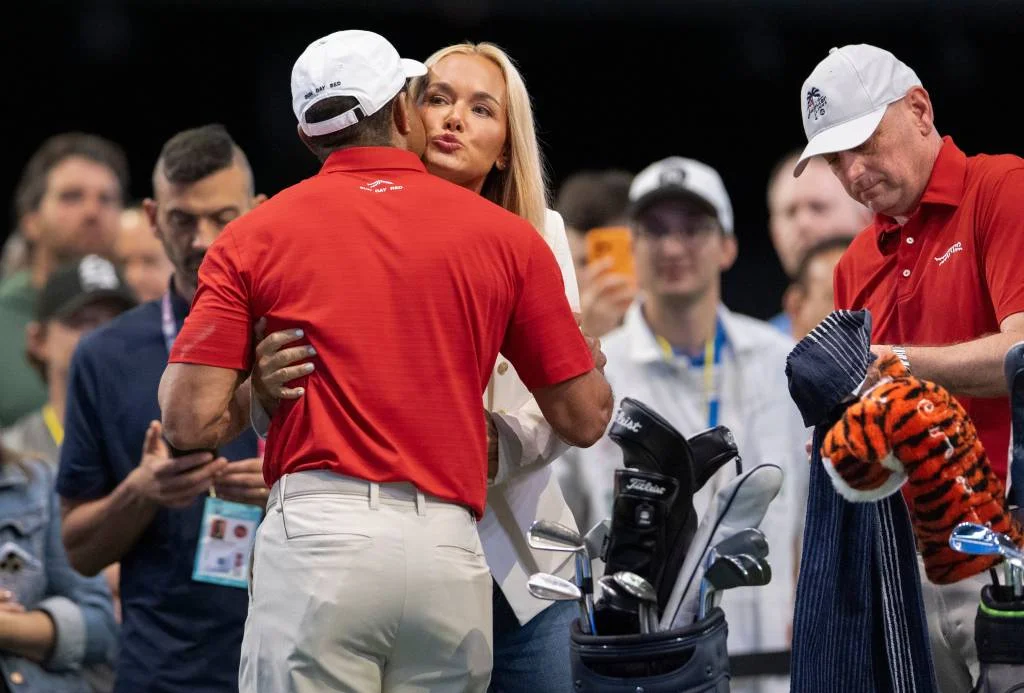
The relationship, which became public knowledge in March 2025, has increasingly tested the couple’s ability to shield their personal lives from intense public scrutiny. Beyond the surface-level headlines, the current priority appears to be stabilizing Woods’ health, with sources noting that Trump remains a fixture of support even while balancing the complex demands of her own professional and family life. This dual role—acting as a personal anchor while navigating a high-profile legal battle—requires a degree of crisis management that exceeds the typical expectations of a celebrity partnership.
Patterns of Behavior and Legal Reality
The intersection of Woods’ latest troubled driving history and this most recent DUI arrest remains a grim milestone for his public image. Police reports confirm the athlete was unable to pass standard sobriety assessments, with authorities documenting a disorganized state that directly contradicts his brand of extreme physical control. Further documentation from the arrest site reveals he was discovered with narcotics on his person, an detail that shifts the narrative from a simple driving incident to a more systemic issue regarding his management of physical pain.
Following the not guilty plea entered during his March 31 court appearance, the golfer utilized social media to formally address the incident. By acknowledging the gravity of the situation and announcing an immediate hiatus to seek professional treatment, Woods has pivoted from active competition to active damage control. However, the legal reality of the situation involves rigorous discovery processes that will likely unearth more details than a carefully worded social media post can contain.
For a brand as carefully curated as Woods', the long-term viability of his return to the sport rests entirely on the efficacy of this recovery period. Whether this hiatus is a genuine pivot toward personal accountability or merely a tactical retreat designed to wait out a news cycle remains to be seen. Regardless of the intent, the transition from professional athlete to rehabilitation patient marks a definitive and potentially irreversible break in what was once a storied and nearly untouchable career.
Implications for Brand and Legacy
The significance of this arrest extends well beyond the courtroom in Jupiter Island. Woods’ sponsorship portfolio, which historically demanded a near-perfect public image, is now being tested by a series of incidents that paint a picture of erratic decision-making. When a public figure of this stature undergoes a, "treatment phase," the market usually responds with a wait-and-see attitude, but current industry sentiment is hardening.
If the clinical intervention facilitated by Vanessa Trump successfully stabilizes Woods, he may avoid the total collapse of his corporate partnerships. However, the future outlook remains skeptical at best; repeat incidents of this nature often lead to permanent brand erosion. The challenge for the Woods camp is to prove that this period of isolation results in measurable behavioral change, rather than just a pause before the next inevitable public collision.