The transition of Goop Kitchen from a localized Santa Monica curiosity to a multi-city operation marks a strategic pivot for Gwyneth Paltrow’s broader brand. While the parent entity, Goop, has historically leaned on high-margin luxury retail and aspirational wellness, the kitchen venture is testing whether a celebrity-backed service can master the notoriously thin-margin world of takeout-only food service.
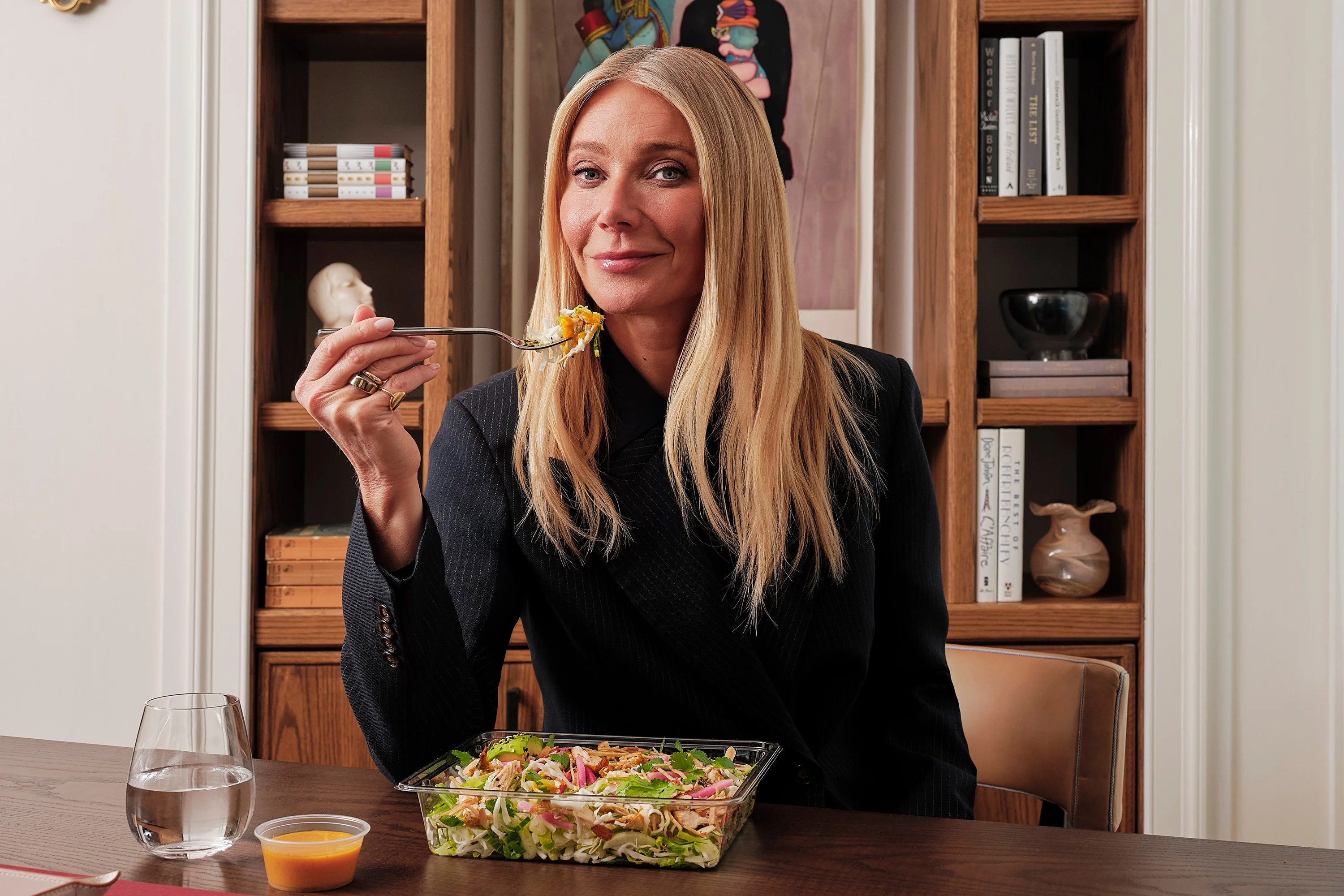
The expansion into San Francisco and now New York City follows a familiar playbook for lifestyle brands attempting to move from "concept" to "infrastructure." However, the operational reality of scaling a kitchen is vastly different from curating a lifestyle marketplace. Paltrow claims the company is seeing success defined by strong unit economics and high customer retention, yet the real test lies in whether the "clean food" value proposition can survive the move from the relaxed Southern California market to the hyper-competitive, high-density environment of Manhattan.
Paltrow characterizes the operation as a "passion project" rather than a core financial driver, but her emphasis on metrics suggests a company running with a disciplined, data-heavy focus. By keeping the menu consistent across regions—eschewing regional localization in favor of a singular, repeatable product—the firm is prioritizing operational efficiency and quality control over local adaptation. This suggests a classic "hub-and-spoke" model where the goal is to standardize the output rather than cater to specific regional palates.

The business faces a significant hurdle: the inherent "celebrity tax" on credibility. While industry insiders have acknowledged the quality of the food—notably chefs like Josiah Citrin—the brand must navigate the skepticism surrounding "clean" food labeling. Unlike Goop’s retail business, which trades in prestige, the kitchen must succeed on the recurring daily transaction. The inclusion of collaborations, such as the Andrew Huberman-aligned turkey chili, hints at how the company intends to keep engagement high without fundamentally altering its core menu.
The logistics of the expansion, particularly the move to NYC, rely on a takeout-first delivery model that emphasizes packaging integrity—a common failure point for premium prepared foods. Paltrow notes that the packaging is "engineered" to maintain texture and heat, a necessary admission for a business model that lacks the high-touch environment of a traditional restaurant. Whether this engineering can survive the brutal transit times of a New York City bike delivery remains the primary risk factor for the brand’s expansion plans.
Looking ahead, the roadmap points to Miami as the next destination. This move signals a deliberate strategy to target markets where the Goop consumer base is already concentrated. By avoiding the fragmented restaurant market and sticking to high-density, affluent urban centers, the brand is effectively creating a walled garden of nutrition, banking on the idea that the consumer’s desire for "clean" convenience will outweigh the higher price points of items like the $23 whole square pizza.
For industry observers, the most significant takeaway isn't the celebrity involvement, but the brand’s ability to treat food as a scalable software-like problem: iterate on a recipe, stabilize the supply chain, and lock in the operational processes. If Goop Kitchen succeeds in sustaining its "off the charts" metrics in the NYC market, it could validate a new tier of fast-casual dining that positions wellness as a commodity rather than a lifestyle. If it falters, it will serve as a reminder that even the most effective brand-building cannot overcome the grueling operational realities of the food industry at scale.
What do you think?
Are you excited to see Goop Kitchen expand? Let me know your thoughts by sending a message directly to [email protected].
Ultimately, the success of this venture hinges on the "repeat rates" Paltrow references. In a market where takeout options are infinite, maintaining customer loyalty requires more than brand association; it requires the kind of consistent, high-integrity execution that most celebrity-backed ventures fail to maintain once they leave the controlled environment of a single test kitchen. The next eighteen months will reveal whether the company can transition from a "passion project" to a durable fixture in the urban delivery ecosystem.