Rice Noodles: A Technical Primer for the Home Cook
By Li Goldstein | April 12, 2026
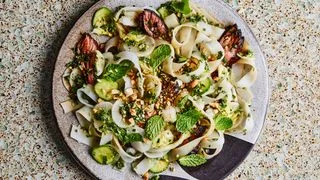
Rice noodles are often categorized as a singular pantry staple, but that simplification ignores the immense structural and culinary variety within the category. From the broth-soaked bowls of pho to the high-heat demands of a proper stir-fry, the application dictates the noodle selection.
If you aren't familiar with the specific nomenclature—ranging from rice sticks and vermicelli to various flat-cut formats—you’re likely setting yourself up for inconsistent results. Understanding the actual identity and terminology of these noodles is essential. For instance, the medium-width bánh phở is engineered for soups, while the wider, resilient ho fun (also known as char kway teow) requires the structural integrity to withstand aggressive stir-frying. Conversely, the delicate Hsinchu mi fen is best reserved for rapid-fire wok applications.
Regardless of the specific variety, rice noodles share a common mechanical advantage: they hydrate and cook with remarkable speed and possess an impressive capacity to absorb aromatic compounds. Provided you match the noodle type to the cooking method, they remain one of the most efficient vehicles for flavor in the kitchen.
Selected Preparations
Spiced Salmon Noodle Soup
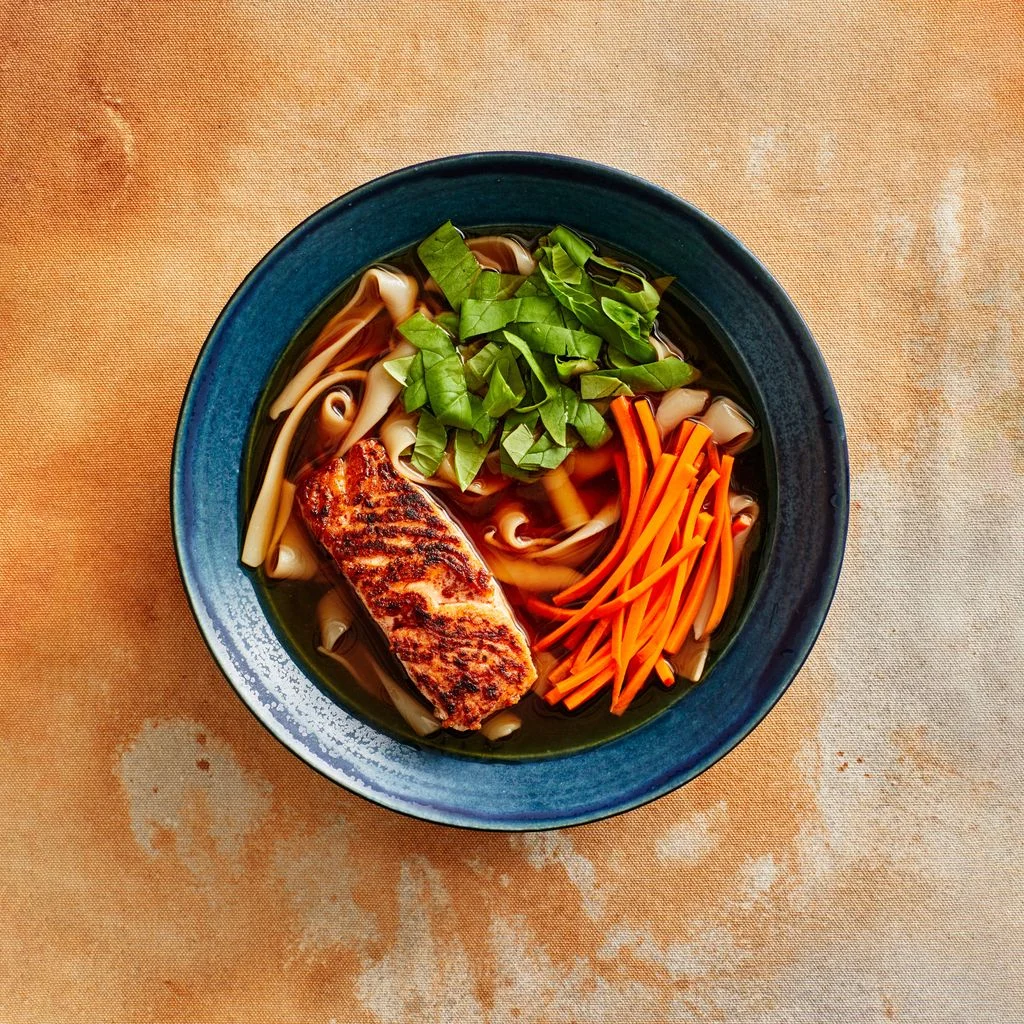
Drawing on the tradition of Native Alaskan salmon head soups, this preparation creates a deep, complex broth using the fish’s anatomy—heads, bones, or fillet scraps—fortified with sesame oil, coriander, and fennel. View Recipe
Everybody’s Favorite Gado-Gado
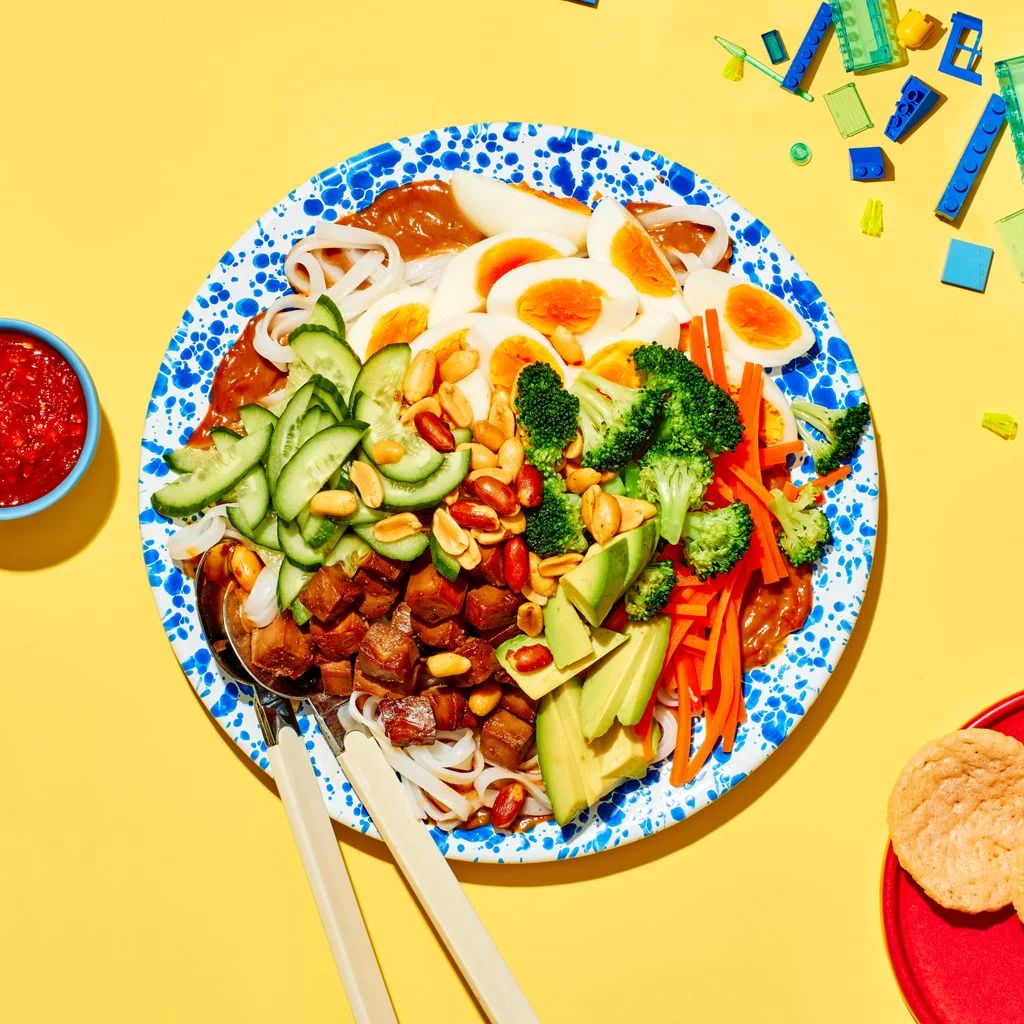
This Indonesian staple highlights the versatility of peanut-based sauces. Since the authentic condiment kecap manis may not always be on hand, this version utilizes a combination of soy sauce and brown sugar to achieve a similar profile for the dressing. View Recipe
Beyond standard preparation methods, there is a clear trend toward hybridizing traditional flavor profiles with modern, accessible pantry staples. This is perhaps best exemplified by the Citrusy, Peanutty Pork With Rice Noodles. By incorporating soy sauce, cilantro, and dark brown sugar into a variation of southern Mexico’s salsa de cacahuate, the dish achieves a depth of flavor that challenges the necessity of strictly authentic components. The execution—documented by Cody Guilfoyle—demonstrates how these bold additions create a richer texture that adheres effectively to rice noodles.
Similarly, deconstruction is proving to be a functional approach for home cooks. The Summer Roll Rice Noodles, captured by photographer Isa Zapata, essentially strip away the labor-intensive rolling process. By retaining the core experience—cold noodles, fresh vegetables, and thinly sliced steak tossed in a savory nut-based sauce—the dish prioritizes the consumer's time without sacrificing the intended mouthfeel or flavor impact.
Flexibility is the recurring theme here. The Rice Noodles With Cashew Sauce and Crunchy Veg—shot by Alex Lau—serves as a template rather than a rigid set of instructions. Whether you utilize the suggested carrots and radishes or pivot to zucchini and red bell peppers, the structural integrity of the dish relies on the cashew sauce base. Whether using tamari or standard soy sauce, these recipes are clearly engineered for modularity, allowing for ingredient swaps based on market availability rather than culinary dogma.
We conclude this survey of essential rice-based dishes with two distinct applications of the grain: the delicate, steamed sheets of Vietnamese bánh cuốn and the robust, wok-tossed noodles of Thai cuisine.

Bánh Cuốn With Pork, Shrimp, and Mushrooms (Photo by Cody Guilfoyle, Styling by Nicole Louie and Thu Buser). While the structure is thin, these rice rolls function effectively as a single, large-format noodle. Get the recipe here.

Pad Thai (Photo by Isa Zapata, Styling by Pearl Jones and Tim Ferro). The key here is the sen lek—a medium-width, flat noodle designed to hold its own against high-heat searing and a pungent, acidic sauce. Get the recipe here.
The common thread between these recipes is the structural integrity of the rice starch itself. Whether you are navigating the subtle assembly of steamed sheets or the aggressive mechanics of a stir-fry, the success of the dish relies on choosing a format that matches the technique. For the home cook, mastering these variations is less about technical perfection and more about understanding how rice texture responds to different cooking environments.