The Punjabi Oasis on the Wyoming High Plains
Akal Travel Center has become an unlikely destination for high-quality Indian cuisine along the I-80 corridor. By Patricia Kaowthumrong. Photography by David Williams. April 13, 2026.

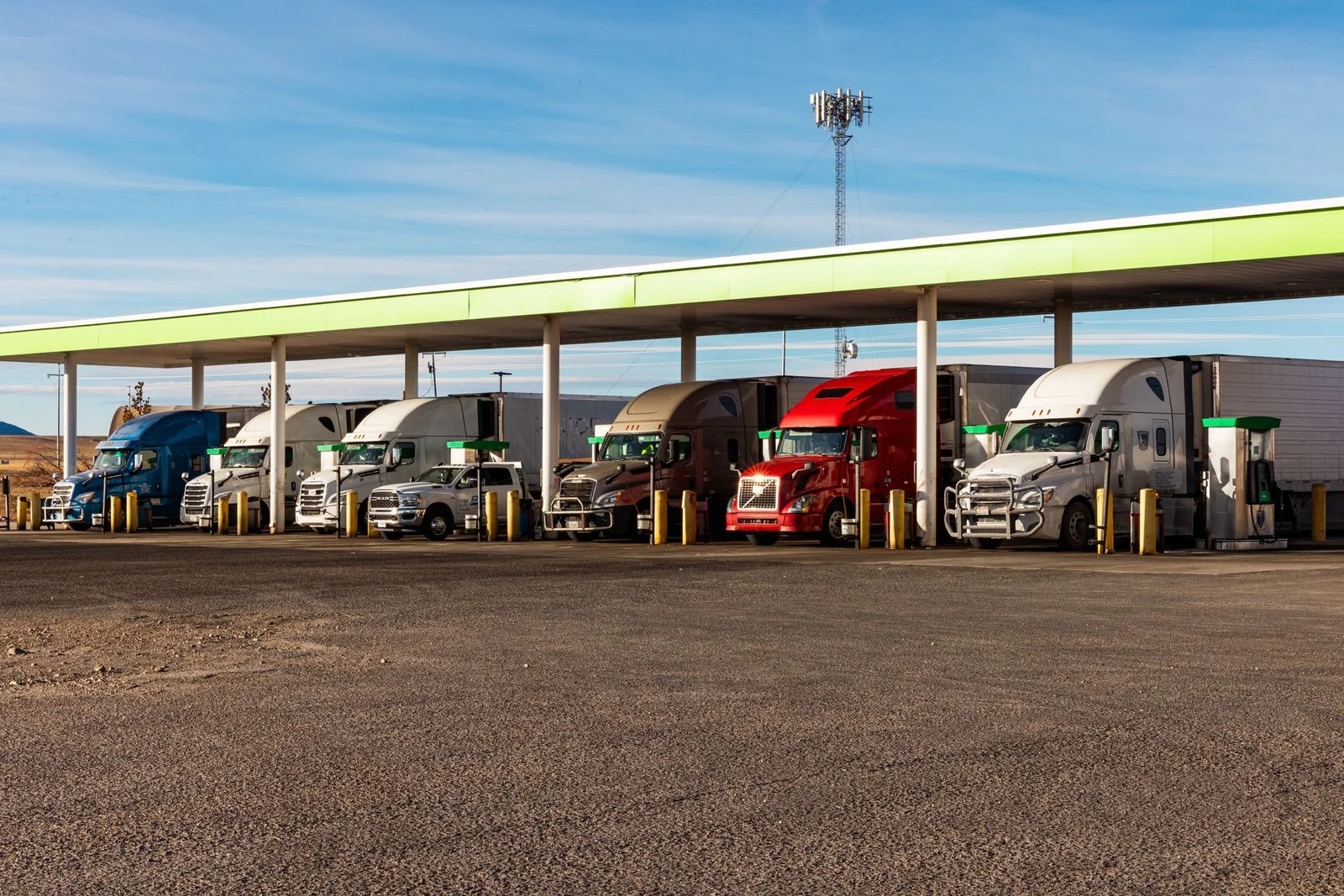
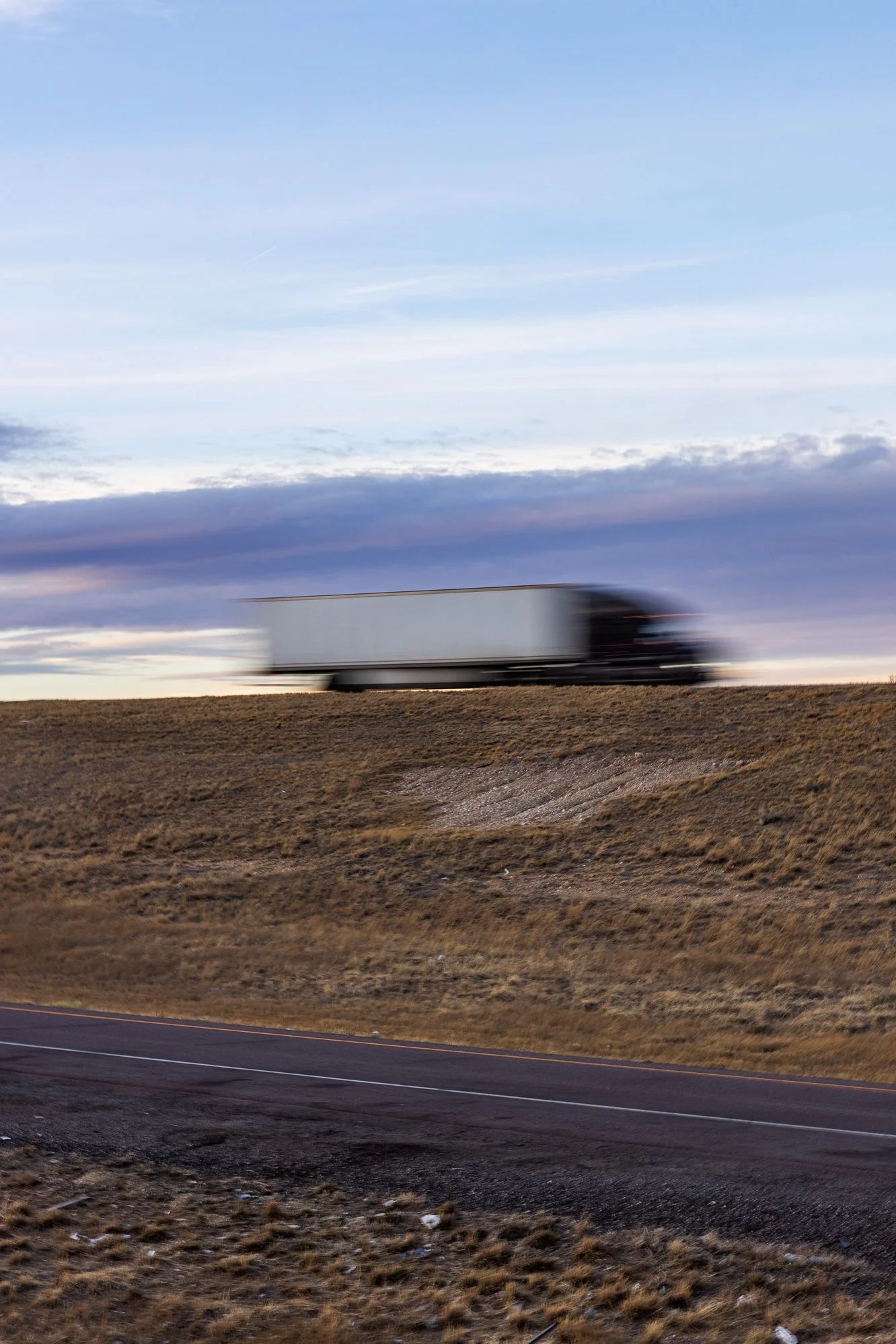
Twenty miles outside of Laramie, Wyoming, the Akal Travel Center defies the standard expectations of a high-plains truck stop. While the surrounding landscape is defined by vast, windy stretches of Interstate 80, the air inside this 24-hour facility is heavy with the scent of toasted garlic and slow-simmered spices. It is a stark cultural anomaly; in a state where the Asian population sits below 2%, this stop functions as a vital hub for authentic Punjabi cooking.
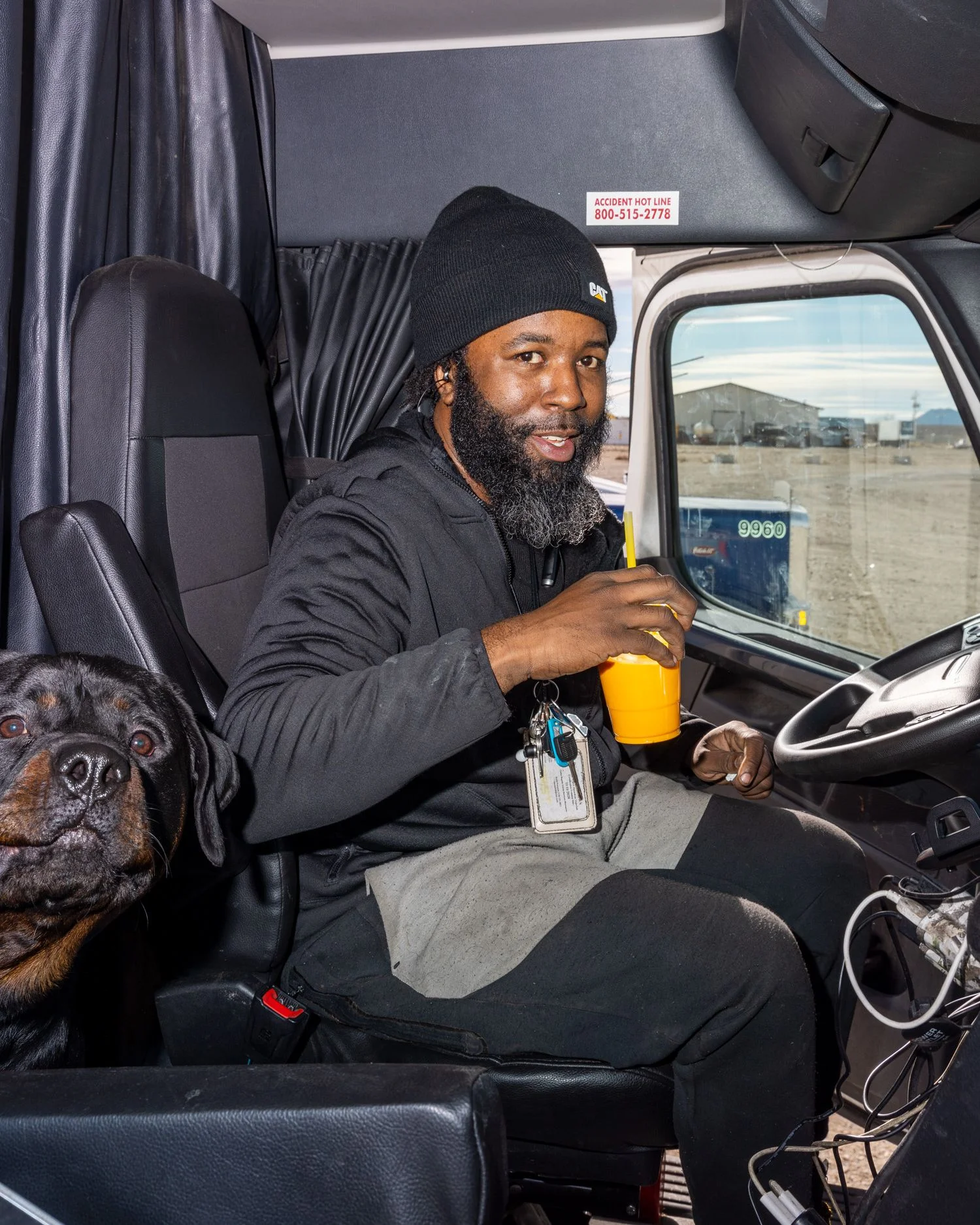
For cross-country haulers like Fort Lauderdale-based Ediquis Brown, the stop is a necessary reprieve from a grueling schedule. Brown, who frequently manages 11-hour shifts, bypasses the typical convenience store fare of candy and snacks to order a consistent rotation of house-made tandoori chicken, blistered naan, mango lassi, and fresh chai. He views the restaurant as more than a meal—it is a rare, reliable alternative to the fast-food chains that dominate rural transit corridors.
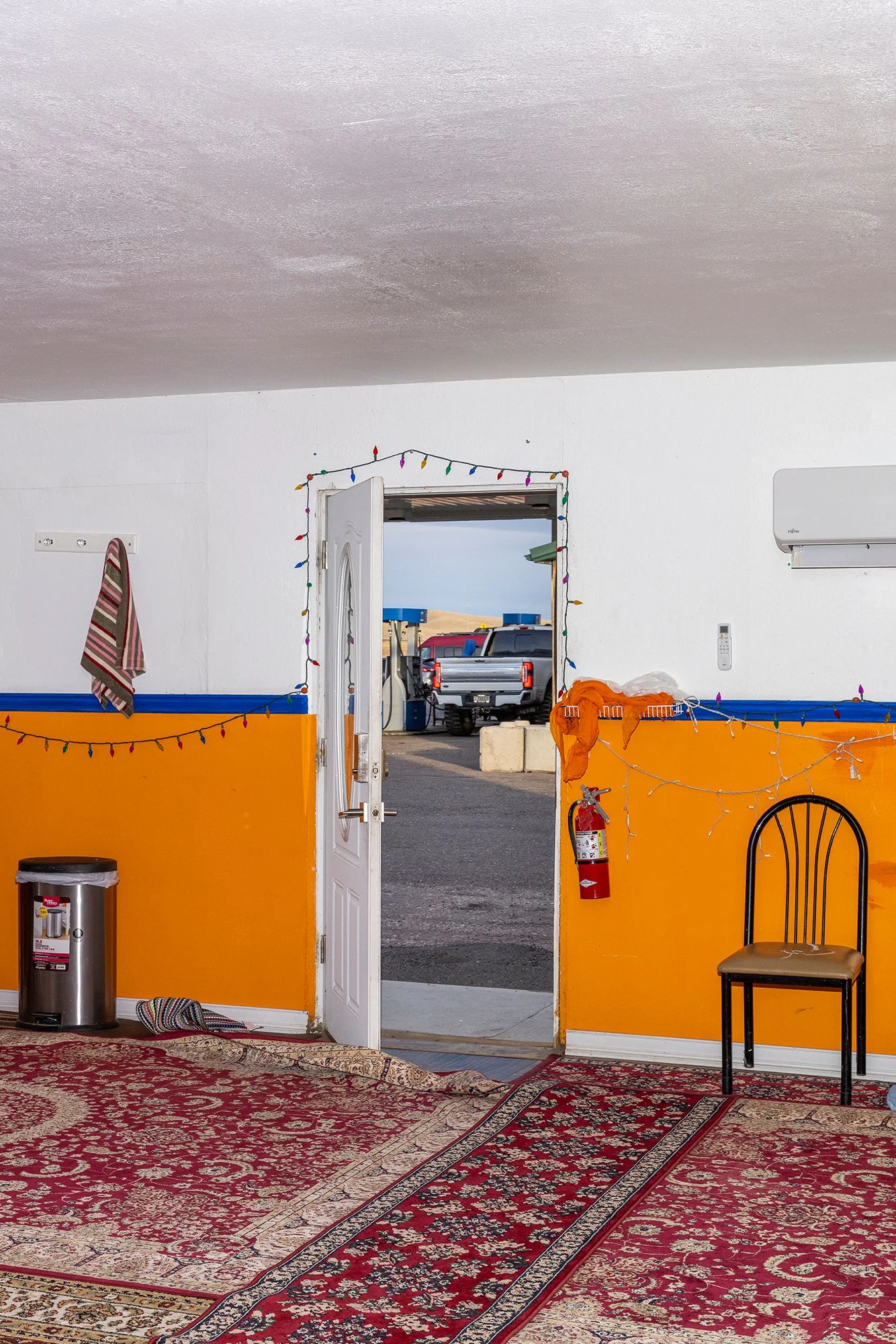
The operation is a tightly knit family endeavor. Mintu and Amandeep Pandher acquired the site in 2012, bringing in a team of 10 employees who relocated directly from the Punjab state in northwest India. The staff resides in a dedicated housing complex situated behind the fueling pumps. Gurjot Singh, the manager since 2014, attributes the station's sustained draw to a simple value proposition: competitive diesel pricing coupled with high-quality, labor-intensive food. Beyond the kitchen, the site distinguishes itself with an on-site Sikh gurdwara, offering space for reflection and worship for employees and travelers alike.
This commitment to freshness resonates with the trucking community. Regular visitors like Anthony Masonar and Ron Tucker view the stop as a premium, albeit necessary, indulgence. Tucker, a veteran hauler from Bend, Oregon, notes that while he typically relies on his own freezer and coffee equipment to avoid high road costs, he makes exceptions for Akal. At roughly $16 per meal, the cost is higher than a standard $12 fast-food combo, but the nutritional value and quality serve as a justifiable investment during his 300-plus days on the road.
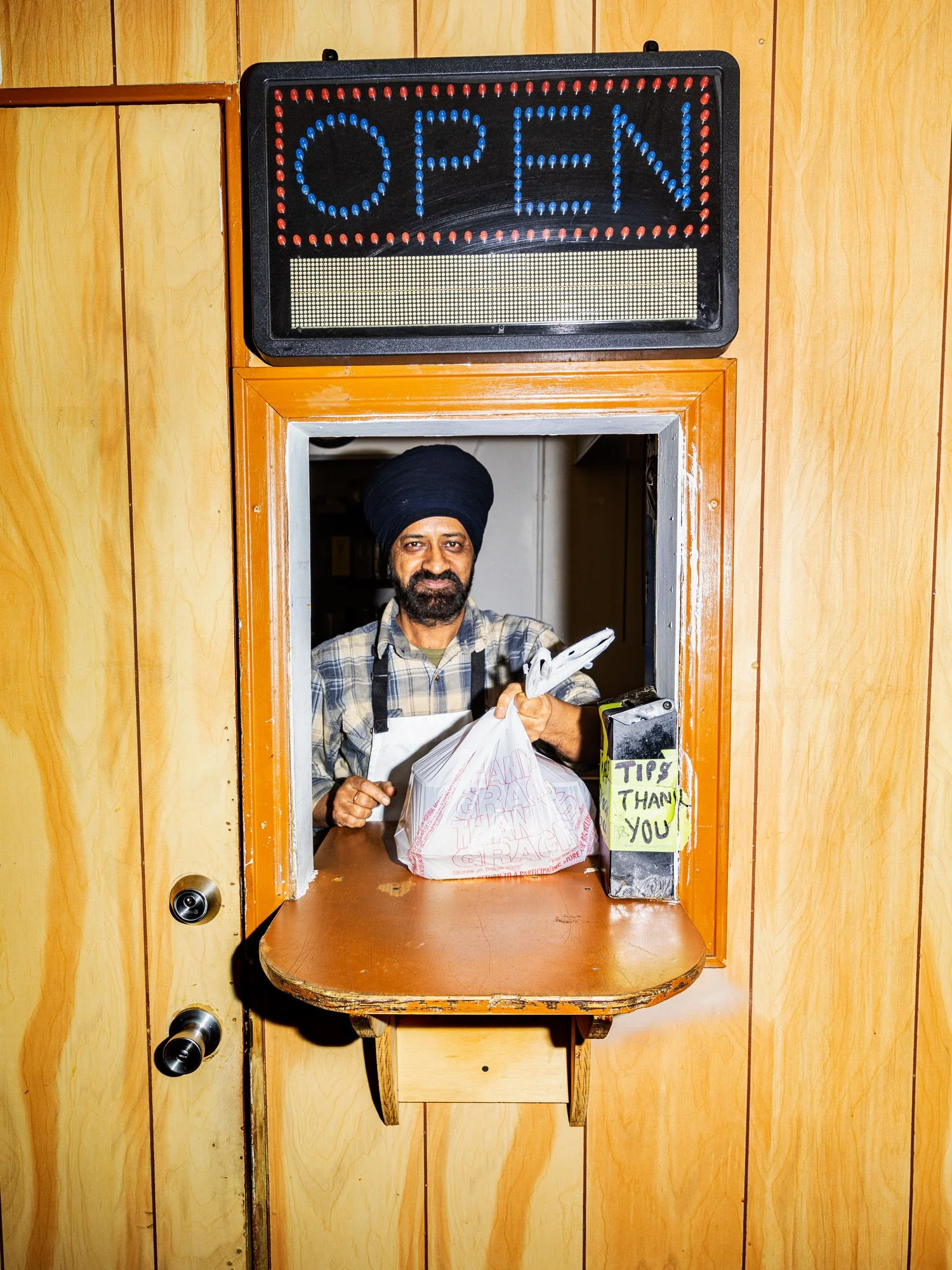
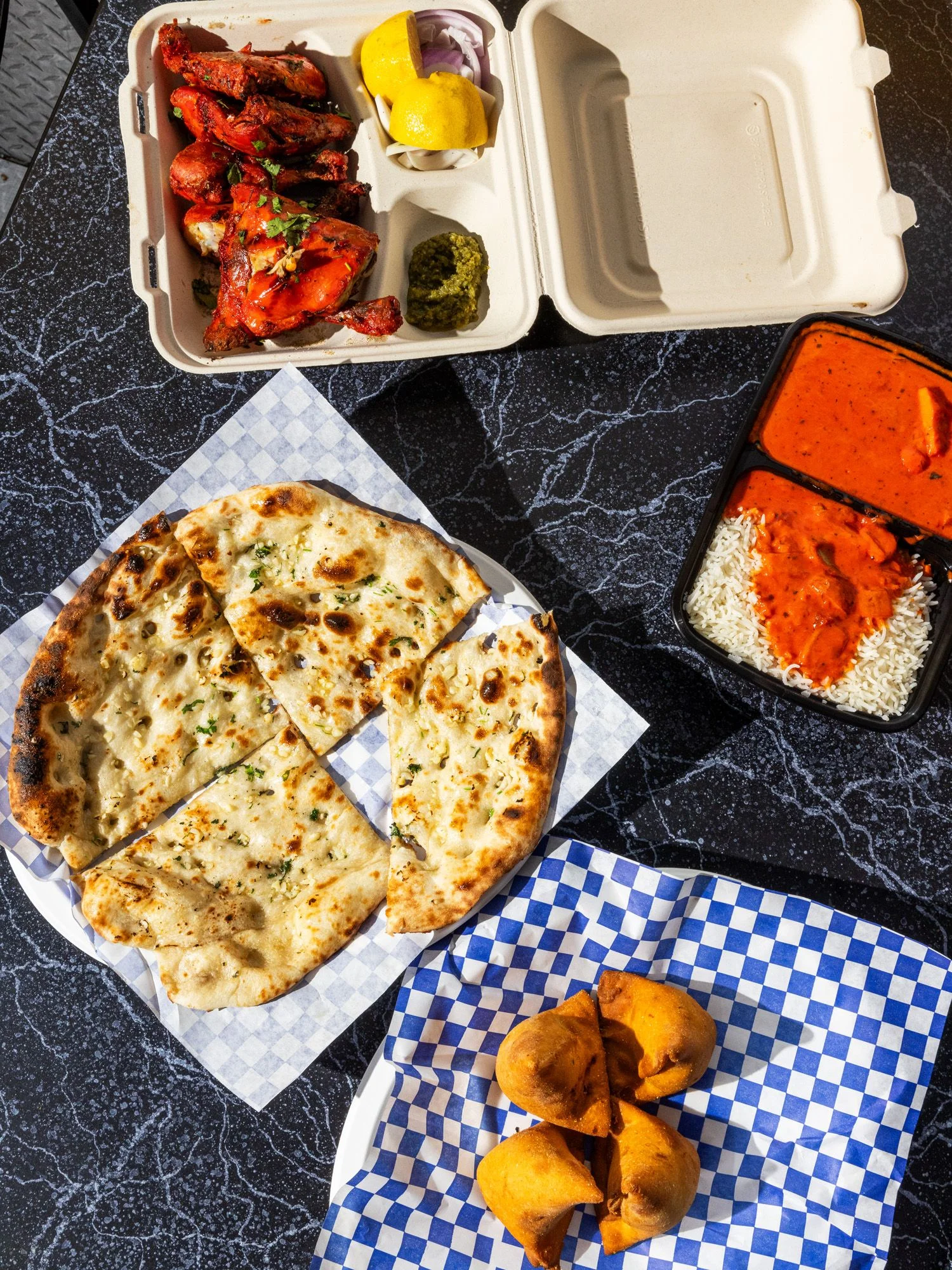
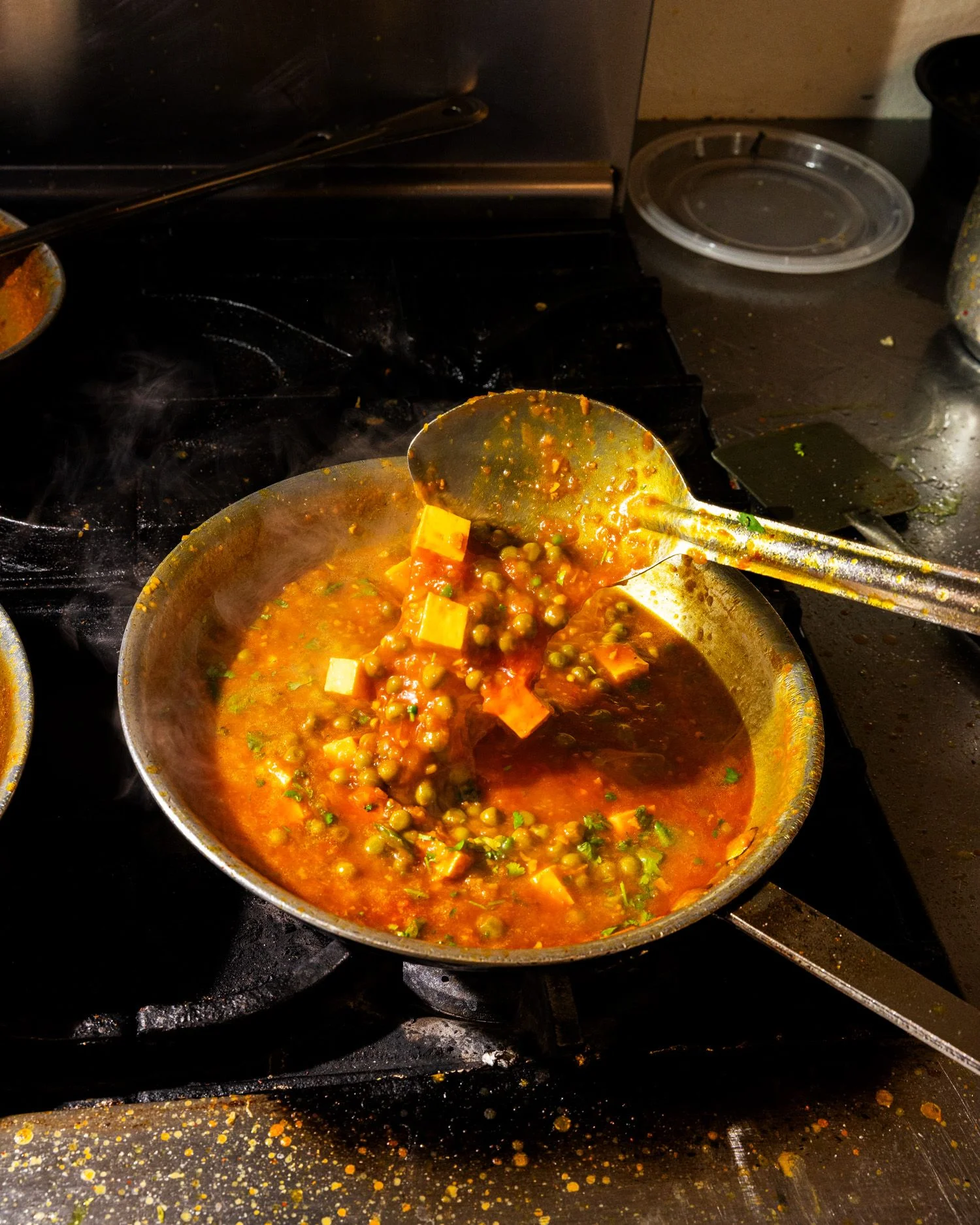
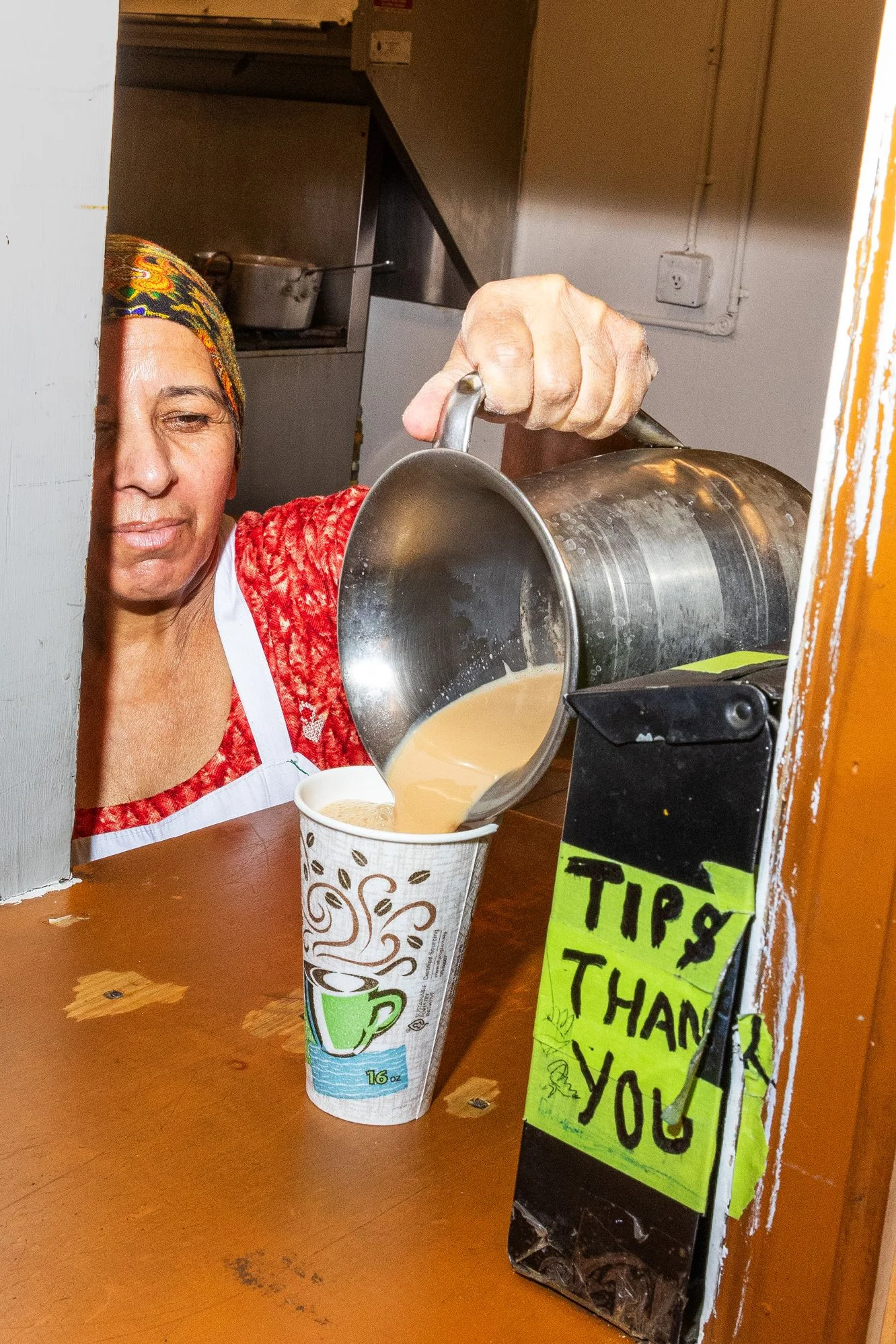
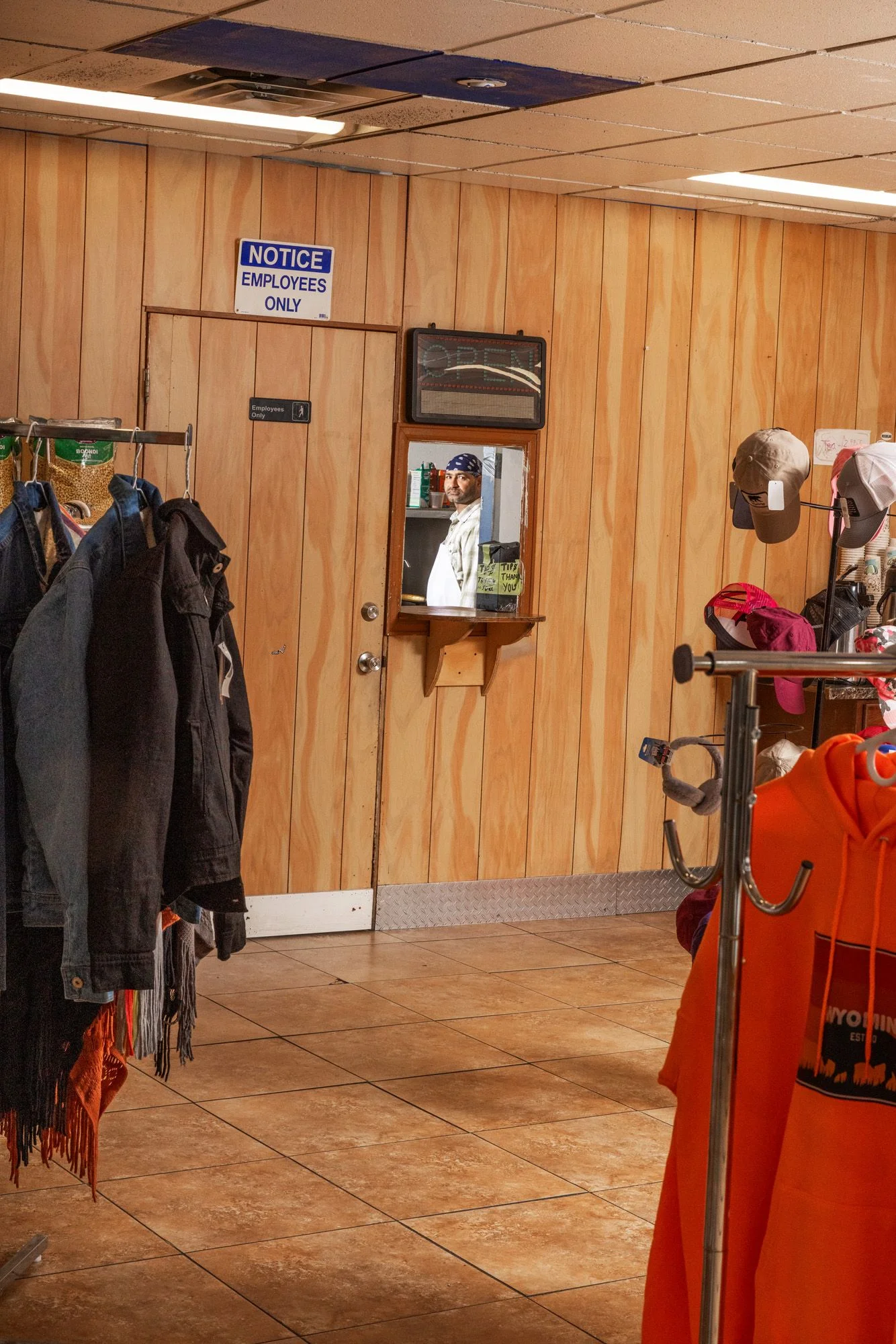
Success here is less about scale and more about resilience. While Bunty Singh’s kitchen maintains a rigorous pace—prepping batches of aromatics and spices throughout the day to ensure the tandoori chicken and curries move from heat to table with precision—the external environment remains the primary variable they cannot control.
Ultimately, this operation serves as a reminder that even the most optimized culinary workflows are tethered to the physical geography of their location. When your customers are transient and your supply chain is dictated by the regional climate, "business as usual" is a luxury few can afford. Akal and Singh aren't just running a kitchen; they are managing a perimeter defense against a hostile transit corridor.