The Euphoria Narrative Fails: Why Sydney Sweeney’s ‘Baby’ Plot Point Misses the Mark
By Lauren Sarner | April 19, 2026, 10:00 p.m. ET
Warning: This breakdown contains spoilers for “America My Dream,” the second episode of Euphoria’s third season.
Television thrives on provocation, but there is a clear distinction between challenging an audience and merely mocking them. With the arrival of Season 3, Sam Levinson’s hit series has crossed that line, trading the gritty, often empathetic character work of its predecessors for a brand of shock-for-shock’s-sake storytelling that feels fundamentally hollow.
The centerpiece of this recent creative slide is a jarring plot point involving Sydney Sweeney’s character, Cassie. Before the episode even aired, leaked imagery from the trailer sparked intense online pushback, with audiences labeling the visual of Cassie in an “OnlyFans baby” costume as deeply disturbing.
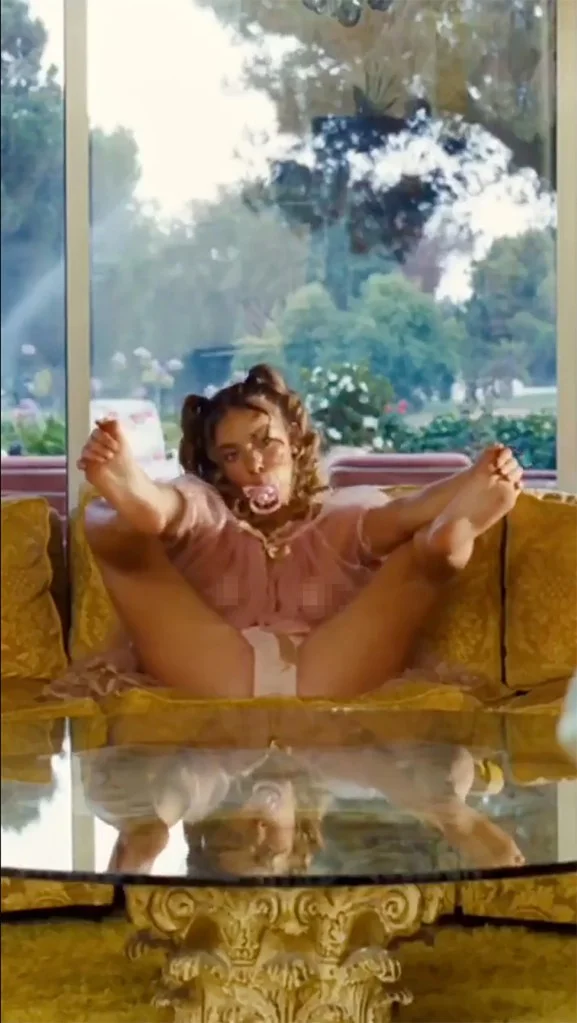
In “America My Dream,” the context provided for these scenes—Cassie performing as an “adult baby” on OnlyFans to fund a $50,000 wedding floral budget—fails to ground the narrative in anything resembling reality. While the show attempts to position this as an act of desperation, the execution feels exploitative rather than analytical.
Levinson defended the creative choice in a recent interview with The Hollywood Reporter, claiming the imagery was intended to blend “absurdity” and “humor” with a “depressing” undercurrent. Yet, for a show that once expertly dissected the vulnerabilities of youth, this feels like an abandonment of character depth. Unlike the Season 2 arc where Cassie’s self-destructive behavior for Nate (Jacob Elordi) functioned as a painful, recognizable metaphor for toxic obsession, this new trajectory offers no such insight.
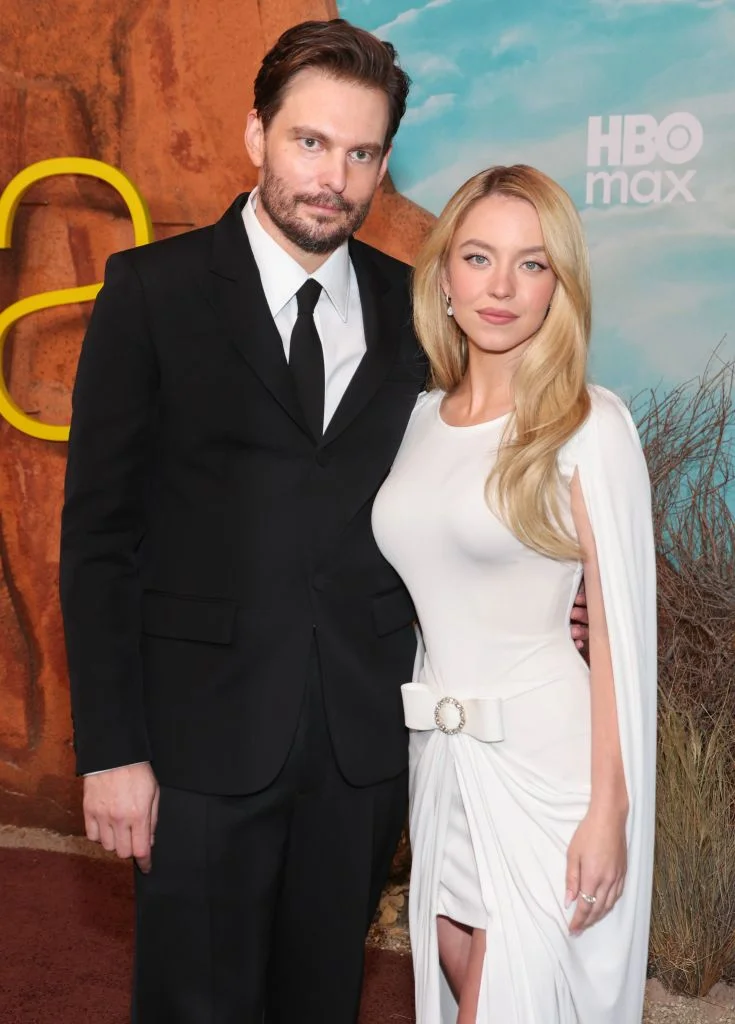
When the series premiered in 2019, it was a cultural juggernaut, eventually becoming HBO's second most-watched program behind only Game of Thrones. Its success was rooted in a strange, stylized realism that bridged the gap between Gen Z anxieties and older generations' nostalgia for pop-culture-drenched adolescence.
Today, the show seems to have forgotten its audience. By turning a character like Cassie into an object of visual ridicule rather than empathy, Levinson has lost the thread. Viewers are right to be repulsed; not just by the content itself, but by the lack of narrative rigor applied to it. As one social media user noted, this is a bridge too far—and for a show that was once hailed for its raw, humanizing lens, the shift into the purely sordid feels like a massive tactical error.
At the 2023 Cannes Film Festival, Sam Levinson defended his creative choices by arguing that his work reflects a hyper-sexualized culture, specifically citing the profound impact of pornography on youth psychology. It is a defensible premise in theory, yet in the execution of Euphoria’s third season, it rings hollow.
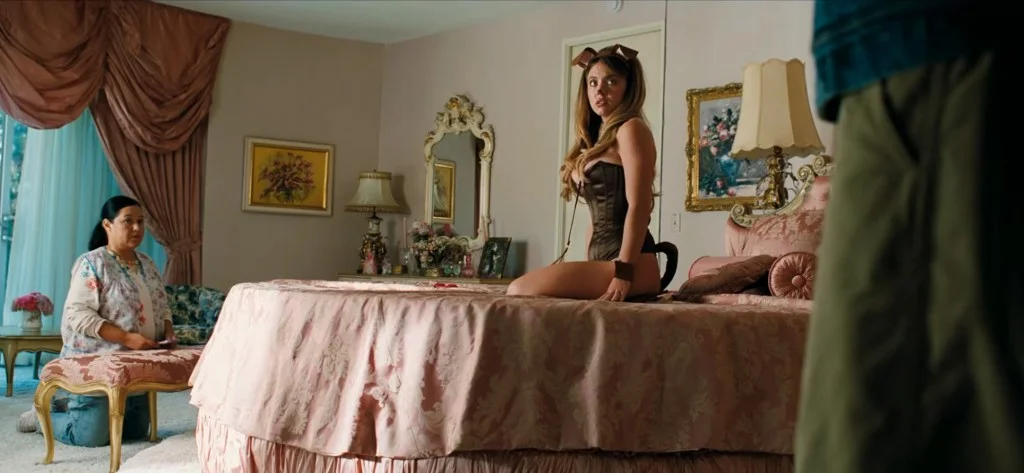
Rather than interrogating the cultural forces he claims to study, Levinson settles for surface-level provocation. Scenes like the one featuring Cassie in dog-leash attire aren't subtextual commentary; they are visual noise. Where the show once utilized its edginess to underscore character development or emotional stakes, it now relies on cheap, fetish-forward shock value that offers zero narrative payoff. The auteur is certainly signaling his familiarity with the mechanics of porn, but he has failed to translate that familiarity into a coherent story.
Ultimately, the transition from provocative drama to empty outrage-bait is complete. Euphoria is no longer saying anything meaningful about the human condition—it is simply waiting for the audience to gasp.