The Case for Raw Tomato Sauce
By Claire Saffitz | April 13, 2026
Peak-season tomatoes possess a complex sweetness that high heat often dulls. Instead of reducing them into a traditional cooked sauce, the most effective preparation involves minimal interference. This no-cook approach relies on patience and simple chemistry to create a vibrant, emulsified finish.
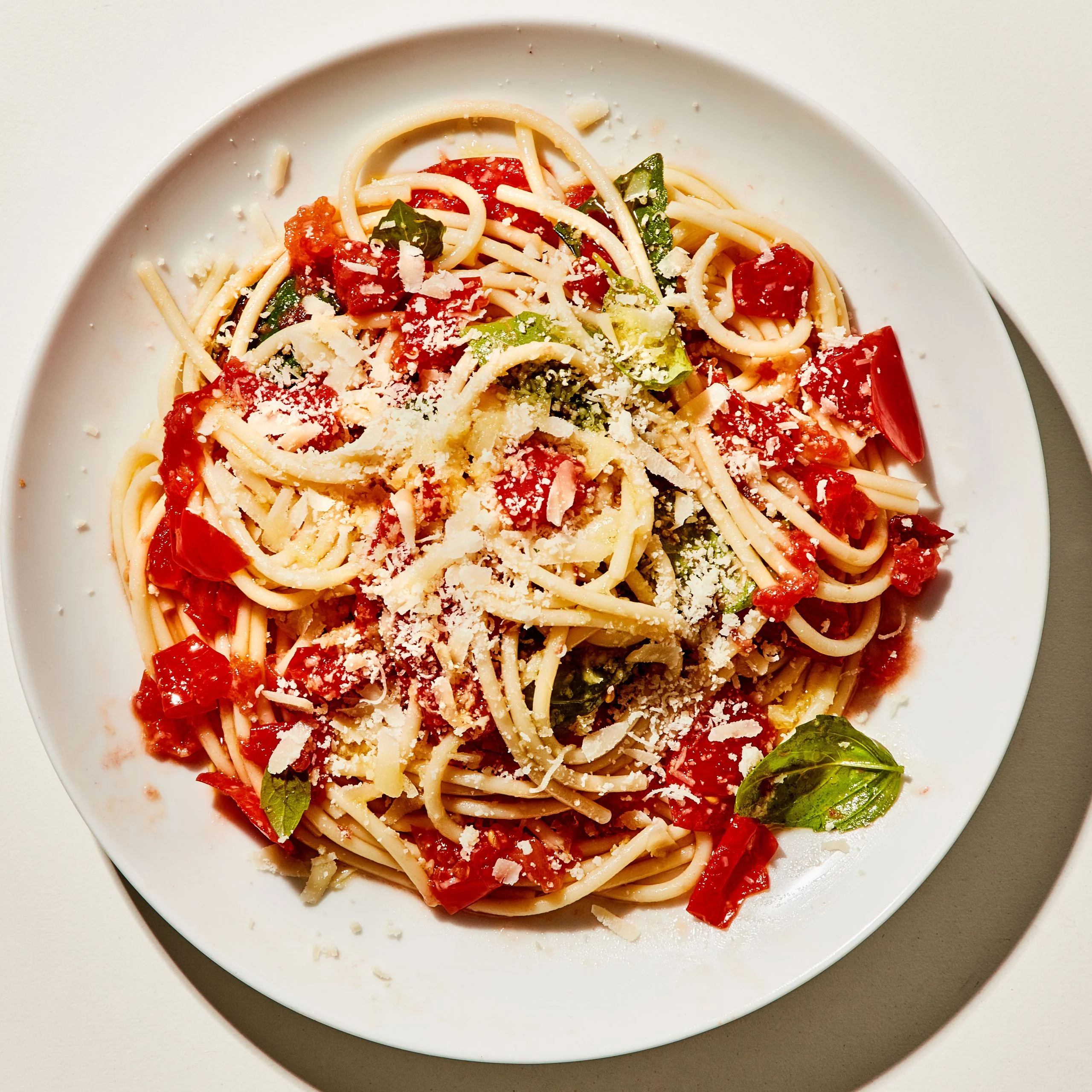
The primary technical hurdle is moisture management. Uncooked tomato seeds and the viscous liquid surrounding them carry an astringency that can undermine the final texture. By purging this liquid before chopping, you achieve two goals: eliminating bitterness and preventing the sauce from diluting when it hits hot pasta.
The process is straightforward: combine chopped flesh with aromatics—specifically garlic and a splash of vinegar—and allow the mixture to macerate for at least 30 minutes. This resting phase breaks down cellular structure. When finished with butter, high-quality oil, and Parmesan, the result is a glossy, cohesive emulsion.
Optimizing Your Ingredients and Technique
Success starts with selection. You want tomatoes that are slightly overripe; they should yield to the touch. Meaty varieties, such as Roma, plum, or various heirloom types, are superior for this application. If you aren't sure where to start, read this primer on heirloom varieties or this breakdown of common tomato types.
Regarding the seeding process: don't view the liquid as waste. While it doesn't belong in this specific sauce, it is highly flavorful and can be repurposed into mayonnaise or as a base for braised beans. For those struggling with the prep, this guide on how to remove tomato seeds efficiently is a necessary reference.
Expect a lighter consistency than your standard cooked marinara; this fresh preparation won't have the same syrupy reduction. If you find the texture too thin, ensure you’ve thoroughly purged the seeds and pulp during prep. For an immediate fix, combine the sauce with piping hot pasta—then fold in extra finely grated Parmesan, maintaining a rigorous, continuous toss to bind the elements.
Regarding moisture: while not mandatory, keeping a splash of pasta water on standby is standard practice. It serves as an insurance policy for dry batches, helping to emulsify the sauce into a glossy, cohesive coating. For a deeper look at the chemistry behind this, check out our guide, Pasta Water is Liquid Gold, Here's How to Use It.
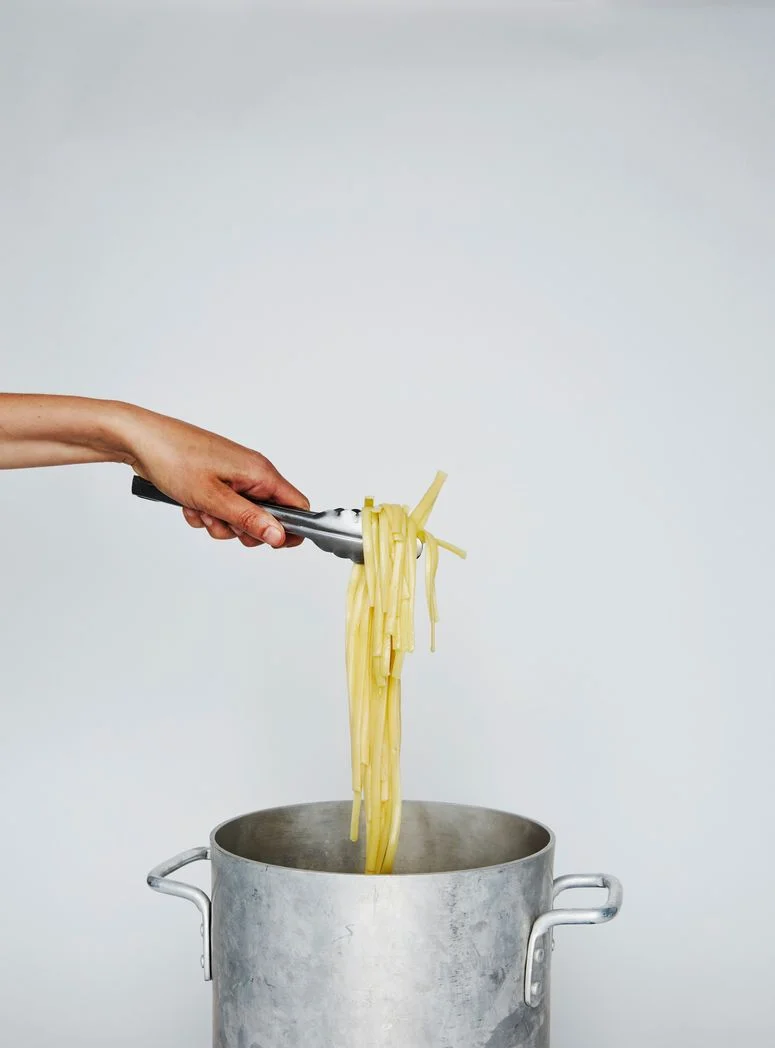
Preparation can absolutely happen ahead of time. In fact, let the raw sauce sit at room temperature for at least 30 minutes, or up to five hours, to allow the tomatoes to release their juices and integrate with the other aromatics. If you're looking to stock up for later, freezing is a viable option. Just be sure the sauce cools completely before portioning it into airtight containers, leaving a one-to-two-inch buffer to account for liquid expansion. When ready to serve, thaw it in the refrigerator overnight and apply gentle heat on the stovetop before tossing with your noodles.
Required Equipment
-
Measuring Spoons
$10 at Bon Appétit Market -
Measuring Cups
$28 at Bon Appétit Market -
Large Bowl
$18 at Amazon
The Bare-Minimum Toolkit
If you're looking to upgrade your kitchen without falling for the "luxury markup" trap, these three staples prove that performance rarely requires a high price point. We’ve culled the inventory down to the items that actually justify their footprint on your counter.
- Victorinox Chef’s Knife ($34.53): This blade remains the gold standard for value. It lacks the vanity appeal of hand-forged Japanese steel, but it holds a reliable edge and handles daily prep work with far more grace than its $34 price tag suggests. Buy at Amazon
- IKEA Cutting Board ($10.00): There is no functional advantage to overpaying for a slab of wood to protect your countertops. This utilitarian option from IKEA does exactly what it needs to do for a fraction of the cost of boutique kitchenware. Buy at IKEA
- J.B. Prince Large Basting Spoon ($16.37): Most consumer-grade spoons are either too shallow or flimsy. This professional-grade piece is built for high-volume use; at roughly $16, it is a lifetime investment that effectively ends the cycle of buying cheap, bendable kitchen utensils. Buy at Amazon
A final observation: the culinary industry thrives on selling “pro-sumer” gear that promises professional results through high-cost materials. In reality, the best kitchens are often built from the most modest components. Prioritize steel quality and geometry over brand aesthetics, and your wallet—along with your prep work—will be significantly better for it.