Phoenix’s New Guard: Where to Drink Right Now
From high-tech mixology to refined cask ales, the Valley of the Sun is shedding its reputation as a mere sprawl in favor of a sophisticated, hyper-local beverage culture.
The Maturation of a Sprawling Metropolis
Phoenix has long been defined by its sheer scale—a 517-square-mile expanse that makes chasing down quality drinks an exercise in patience. Historically, this geographic fragmentation served as a barrier to the density required for a thriving, interconnected culinary ecosystem. However, the last decade has seen a genuine maturation of the city’s libation scene. While the desert heat once necessitated a focus on simple, cooling refreshments—often prioritizing mass-market domestic beers or syrupy, frozen concoctions—the current generation of baristas, brewers, and mixologists are moving toward complexity, local heritage, and technical precision. This pivot represents more than just a change in flavor profiles; it signifies a move toward a more identity-driven approach where the environment and the preparation methods are treated with equal importance.
The Infrastructure of Innovation
The city's beverage infrastructure is no longer confined to the traditional downtown core or the high-rent corridors of Old Town Scottsdale. Instead, innovation is appearing in unlikely quarters: strip malls, industrial thoroughfares, and repurposed spaces across the Valley that were once overlooked by legacy operators. This growth is anchored by established heavyweights—such as Arizona Wilderness Brewing Company and Wren House Brewing Company—both of which have recently doubled down on their regional identity by launching new, specialized locations. These expansions are critical because they demonstrate a commitment to deep-rooted local sourcing, utilizing Arizona-grown grains and hops to craft profiles that simply cannot be replicated in other regions. By decentralizing, these breweries have effectively turned functional, unglamorous real estate into genuine community hubs, challenging the notion that a high-end experience requires a polished, central urban address.
Beyond the Standard Cup and Glass
The coffee industry is moving well beyond standard, dark-roasted commercial blends. At spots like Malegría Cafe, one can see a deliberate synthesis of Latin American coffee traditions that honors the provenance of the bean rather than the speed of the service. Meanwhile, Wonderift Coffee emphasizes a lighter, seasonally driven approach influenced by the owners' time in Hawaii, signaling a preference for acidity and clarity over the heavy, burnt notes that dominated the local palate for years. The cocktail scene is following a parallel trajectory, moving into specialized territories through concepts like the data-informed Legends Never Die and the Indian-influenced, spice-forward offerings at Indibar. These establishments are not merely pouring drinks; they are engineering sensory experiences that prioritize the chemical balance of the final product over the aesthetic flash that has defined so much of the city's nightlife in the past.
Strategic Implications and Future Outlook
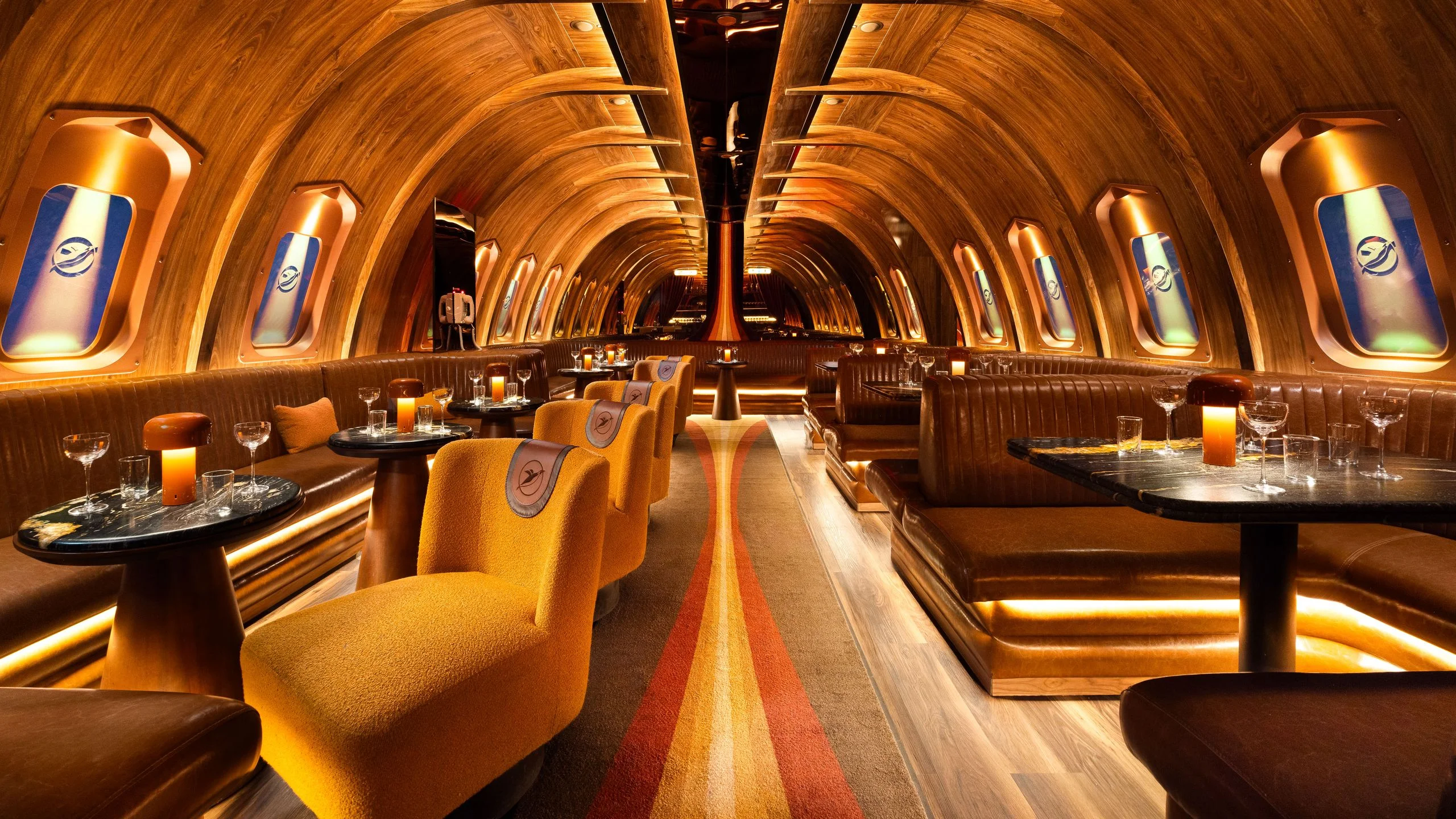
The current state of the Phoenix-Scottsdale beverage scene represents a distinct, tectonic shift toward hyper-specialized, experiential hospitality that effectively challenges regional stereotypes. Whether it is the high-concept, atmospheric immersion at Carry On, which leans into 1970s jet-set theatricality, or the rigorous, almost scientific technical focus found at Legends Never Die, proprietors are clearly betting that modern consumers want more than just a drink—they want a narrative that respects their intelligence and their time. This strategy is a calculated risk in a market that remains sensitive to economic fluctuations, yet it is a necessary evolution if the Valley hopes to be considered a serious player on the national culinary stage.
This trend is mirrored in the way venues like Indibar integrate culinary technique into their liquid menus, using ingredients like ghee-washed whisky or hickory smoke to anchor their offerings to the kitchen’s output. By breaking down the silos between the kitchen and the bar, these operators are increasing their operational overhead, but they are also building a brand loyalty that a standard high-volume bar cannot achieve. Meanwhile, the retail-bistro hybrid model perfected by veterans at Jamie’s Bottle Shop signals a pivot away from traditional, stuffy wine service in favor of accessibility and education, which is crucial for cultivating a more sophisticated local demographic.
For the consumer, this marks the effective end of the “one-size-fits-all” bar experience. As operators lean harder into their specific niches—be it brutalist anti-Instagram aesthetics, simulated flight paths, or curated rare-vintage retail—the industry is bifurcating into two clear categories: the deeply tactile, lab-focused mixology labs and the high-production-value environments that trade in escapism. Moving forward, the establishments that thrive will be those that manage to balance these intricate, often expensive technical processes with an authentic sense of place. The risk for the industry is that the “story” may eventually eclipse the substance in the glass; however, for now, the competition to define this new era of Phoenix hospitality is pushing the quality of every pour to new, welcome heights.