Mastering the Stovetop Burger: A Precision Guide
Skip the outdoor grill. If you want a perfectly caramelized, succulent burger, your kitchen range is actually the superior tool. Whether you’re chasing a rare finish or a well-done sear, the difference between greatness and disappointment comes down to a few minutes and a reliable instant-read meat thermometer. Grilling is often romanticized, but the stovetop method provides a level of repeatability and temperature control that charcoal simply cannot match, especially when you are looking for that elusive, dark-brown crust known as the Maillard reaction.
Thermal Dynamics and Crust Development
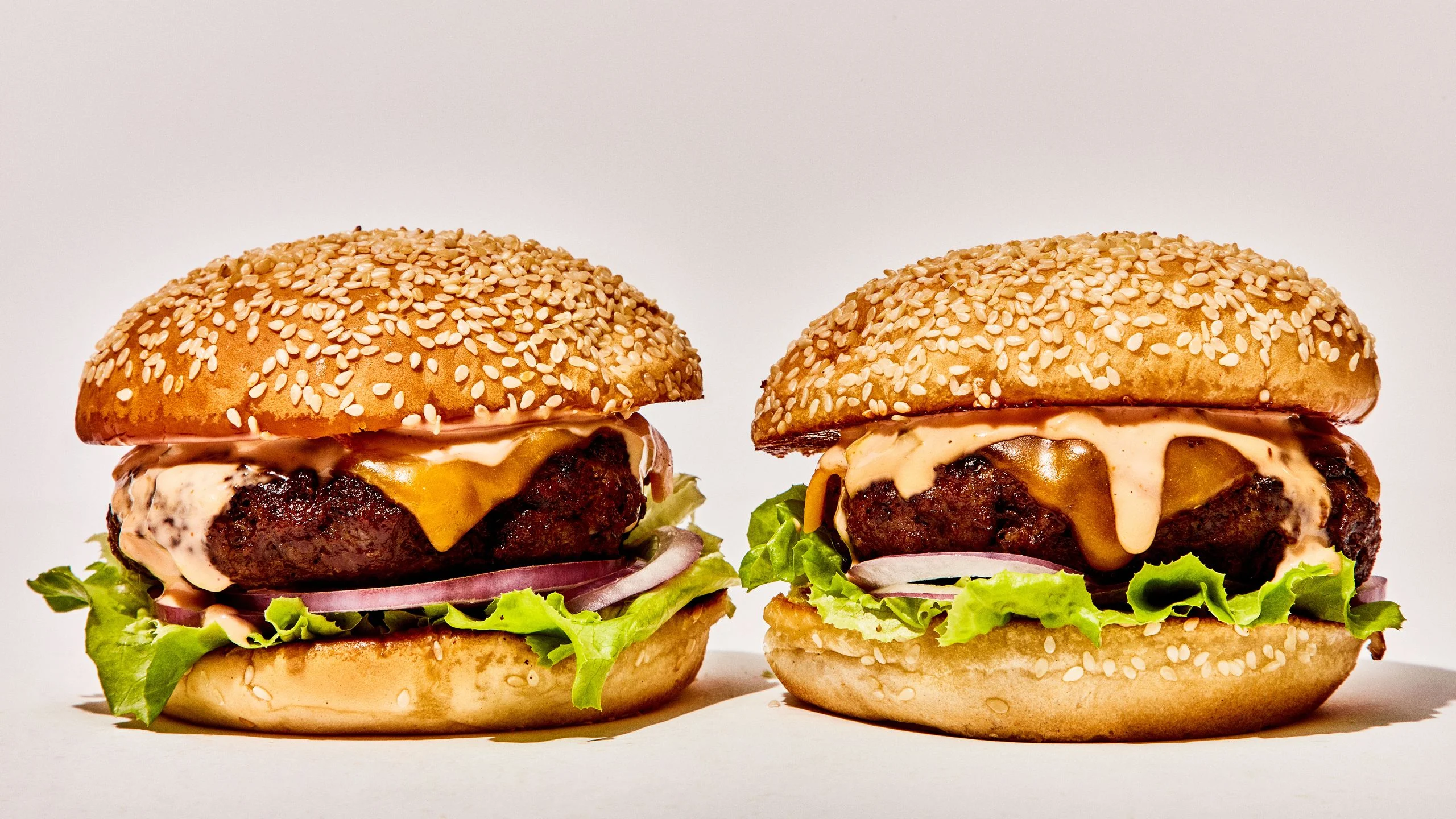
For a standard 5-ounce beef patty, five minutes on the initial side over medium-high heat is your baseline for a quality crust. To achieve this, you need a pan that retains heat exceptionally well; a cold pan will cause the meat to steam in its own juices rather than sear, resulting in a gray, unappealing surface. By starting with a preheated, heavy-gauge skillet and applying a controlled, consistent medium-high flame, you allow the surface sugars and amino acids to brown effectively. This initial five-minute window is not just about the timer; it is about observing the patty's edges as they begin to firm up and pull away from the pan surface, signaling that the structural integrity of the crust is sufficient for a clean flip.
| Doneness (Internal Temp) | Approximate Time |
|---|---|
| Rare (120°F) | 5 minutes (side one) + quick sear = ~5 mins total |
| Medium-rare (130°F) | 5 minutes (side one) + 1 minute (side two) = ~6 mins total |
| Medium (140°F) | 5 minutes (side one) + 2 minutes (side two) = ~7 mins total |
| Medium-well (150°F) | 5 minutes (side one) + 4 minutes (side two) = ~9 mins total |
| Well-done (160°F) | 5 minutes (side one) + 5 minutes (side two) = ~10 mins total |
The goal is to move beyond casual cooking and treat the pan as a precision instrument. The standard approach popularized by Claire Saffitz remains the gold standard for home cooks, emphasizing that great burgers aren't magic—they are the result of consistent fat-to-lean ratios, proper seasoning timing, and heat management. If your mind is set on charcoal and smoke, you can consult our grilling guide here, but for sheer convenience and flavor control, the skillet is hard to beat. By keeping the cooking process contained within the kitchen, you eliminate the massive temperature variables introduced by wind, ambient outdoor air, or the inconsistent heat output of a cooling bed of coals.
Implications for Home Kitchen Engineering
Treating your stovetop as a laboratory requires acknowledging the role of thermal mass and moisture control in protein coagulation. Most home cooks fail because they overcrowd the pan, which lowers the overall surface temperature and creates a stagnant pool of fat and liquid that prevents proper caramelization. To get a truly superior result, work in smaller batches and ensure the pan has sufficient recovery time between patties, allowing the metal to return to its optimal searing temperature. Precision in the kitchen is not about owning the most expensive gear; it is about understanding how your specific burner output reacts with your cookware materials to create a predictable, repeatable outcome every time you fire up the range.
Final Thoughts: Mastering the Fundamentals
Achieving the perfect stovetop burger is less about complex technique and more about respecting the basic physics of the kitchen. While variables like bun selection—whether you opt for house-made sesame rolls or commercial potato buns—and cheese choice matter, the integrity of the process is paramount. You must select a bun with enough density to soak up the rendered beef fat without disintegrating, and a cheese that emulsifies at a low enough temperature to coat the meat rather than separating into oily puddles.
If you are experimenting with meatless alternatives, prioritize patty thickness and ingredient composition. Plant-based options like the Impossible Burger require precision; don't deviate from the 2-to-3-minute-per-side rule if you want to avoid a textural disaster. Meanwhile, those working with traditional ground proteins should adhere to strict USDA safety guidelines, keeping prep away from the “Danger Zone” (40°F–140°F) to prevent bacterial growth. Maintaining the cold chain until the very moment the beef hits the pan is essential for both flavor retention and food safety protocols.
Equipment is largely secondary. You don't need a cast-iron skillet to achieve a crust, provided your stainless or carbon-steel vessel offers sufficient thermal mass for even heat distribution. Keep the patty undisturbed: flipping more than once is a common error that prevents proper browning and invites unnecessary fat splattering. And yes, American cheese remains the industry gold standard for melting point and emulsification—respect the science behind it. It is essentially a feat of food engineering designed specifically to behave well under the heat stress of a burger patty.
Ultimately, a great burger is a sum of its parts, requiring a disciplined approach to every step from selection to the final sear. If you find your results consistently dry, stop pressing the meat with your spatula, source a grind with at least 20% fat content, or simply shorten your cook times by monitoring the core temperature closely. For a reliable, high-yield starting point, look to The Basically Burger; it’s a masterclass in stripping a recipe down to its essential components. By focusing on the fundamental variables of heat, fat, and time, you eliminate the guesswork that typically leads to inconsistent results in the domestic environment.