The Lab-Grown Menu: Why Fine Dining is the Last Stand for Cultivated Protein
Despite a brutal wave of political hostility and cooling investor interest, a small cadre of high-end chefs is betting that the path to normalizing cellular agriculture runs through the dining room.
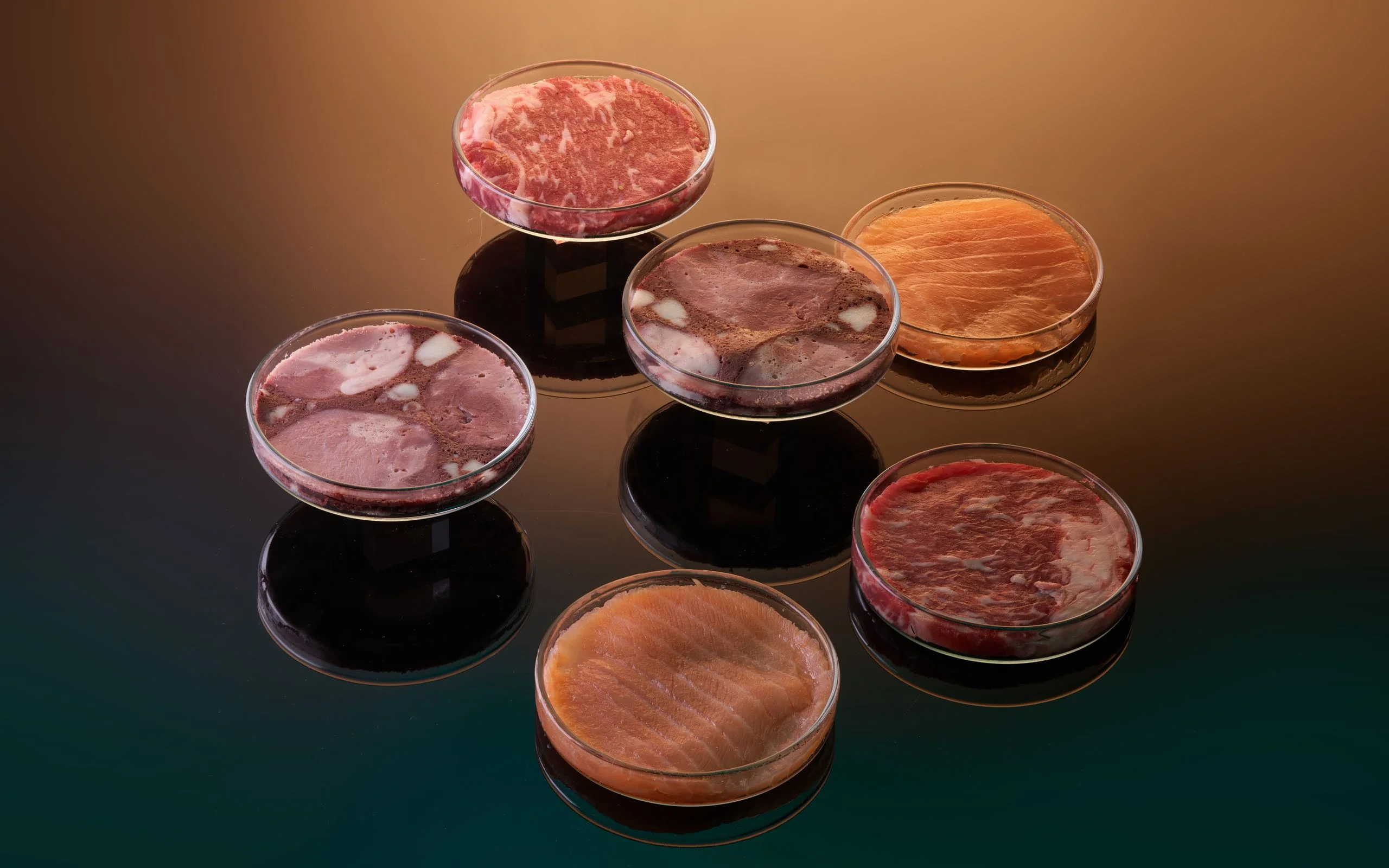
It carries the visual markers of high-end seafood: the translucency, the fatty sheen, and the vibrant assembly of acidic dressing and crisp aromatics typical of a cultivated salmon crudo. Yet, this dish bypassed the ocean entirely, emerging instead from a bioreactor. For the nascent industry of cell-cultured protein, the restaurant sector has become the final, narrow funnel through which these products must pass to reach a skeptical public.
The strategy is tactical: position high-priced, chef-curated experiences as the primary point of entry for beef, pork, and seafood grown from cellular samples. But while novelty may secure the first order, it is proving insufficient to build a sustainable market. After early, high-profile launches at venues like Dominique Crenn’s Bar Crenn and José Andrés’s China Chilcano, the reception was decidedly mixed. Critics often found the meat lacking or questioned the philosophical necessity of the endeavor, while diners faced entry-level pricing as high as $150 per person.
The industry has since entered a defensive crouch. Facing significant funding constraints and a legislative landscape where seven U.S. states have prohibited the sale of cultivated products, developers are fighting just to keep their existing partnerships active. For a deeper look at the long road to grocery store shelves, see our analysis: Will I See Lab-Grown Meat in Supermarkets Any Time Soon?
Despite these headwinds, chefs like Renee Erickson of Seattle’s The Walrus and The Carpenter remain committed. For Erickson, serving cultivated salmon isn't about replacing the catch; it is a hedge against the ecological debt of industrial farming and the ongoing crisis of global overfishing. "We need a less environmentally harmful alternative," she notes, viewing the product as a pressure-relief valve for wild stocks.
The Technical Compromise
Chefs who have worked with product from Wildtype—the first company to receive FDA approval for cultivated seafood—report a recurring set of limitations. The texture, while tender, lacks the structural integrity of natural muscle fiber, forcing cooks to serve it raw or lightly cured rather than subjecting it to heat. Adam Tortosa of Robin and Jacki Kuder of Kingfisher both note that while the fatty profile of the salmon is convincing, the "bite" is distinct from traditional fish.
Ultimately, the burden of adoption falls on education. Wildtype founders Justin Kolbeck and Aryé Elfenbein have spent the last year acting as on-the-ground support, equipping kitchen staff with FAQ sheets to navigate diner questions. In high-volume settings like Kingfisher, that transparency is vital; diners are presented with clear labeling—"Wildtype Sustainable Salmon Crudo"—to ensure the distinction between their lab-derived offering and the rest of the menu is perfectly clear.
Ultimately, the transition from lab-grown innovation to restaurant staple remains a process of careful, incremental integration. Chefs like Kuder at Kingfisher and Gillis at Fiorella aren’t just plating new products; they are managing supply-chain volatility while educating diners. Whether it is Kuder’s commitment to expanding his menu with Wildtype’s cultivated salmon or Gillis’s strategic use of Mission Barns pork fat in hybrid meatballs, these early adoptions rely on scarcity to build culinary intrigue.
The technical friction is real. Gillis noted that while the mouthfeel of cultivated fat is impressive, it demands a higher degree of precision during prep than traditional proteins. Furthermore, the current economics—with dishes hovering between $22 and $33—ensure these items remain "event" food rather than pantry staples. Scaling is the industry's singular hurdle; without consistent, large-scale supply, these proteins remain relegated to occasional features rather than permanent fixtures.
However, the skepticism surrounding "fake meat" often ignores the tactical approach currently playing out in high-end kitchens. By utilizing hybrid products—blending cultivated fats with plant-based proteins—manufacturers are finding a shortcut to the flavor profiles that purely plant-based alternatives have historically lacked. For now, the path forward isn't about replacing the steakhouse model overnight. Instead, it is about steady, dish-by-dish familiarization. As Kuder puts it, the chef’s role is to curate these novel experiences; for cultivated proteins to move beyond the novelty phase, they must prove they can survive the rigors of a commercial kitchen at scale, not just the controlled environment of a pilot program.