The Rebranding of a Panadería Staple
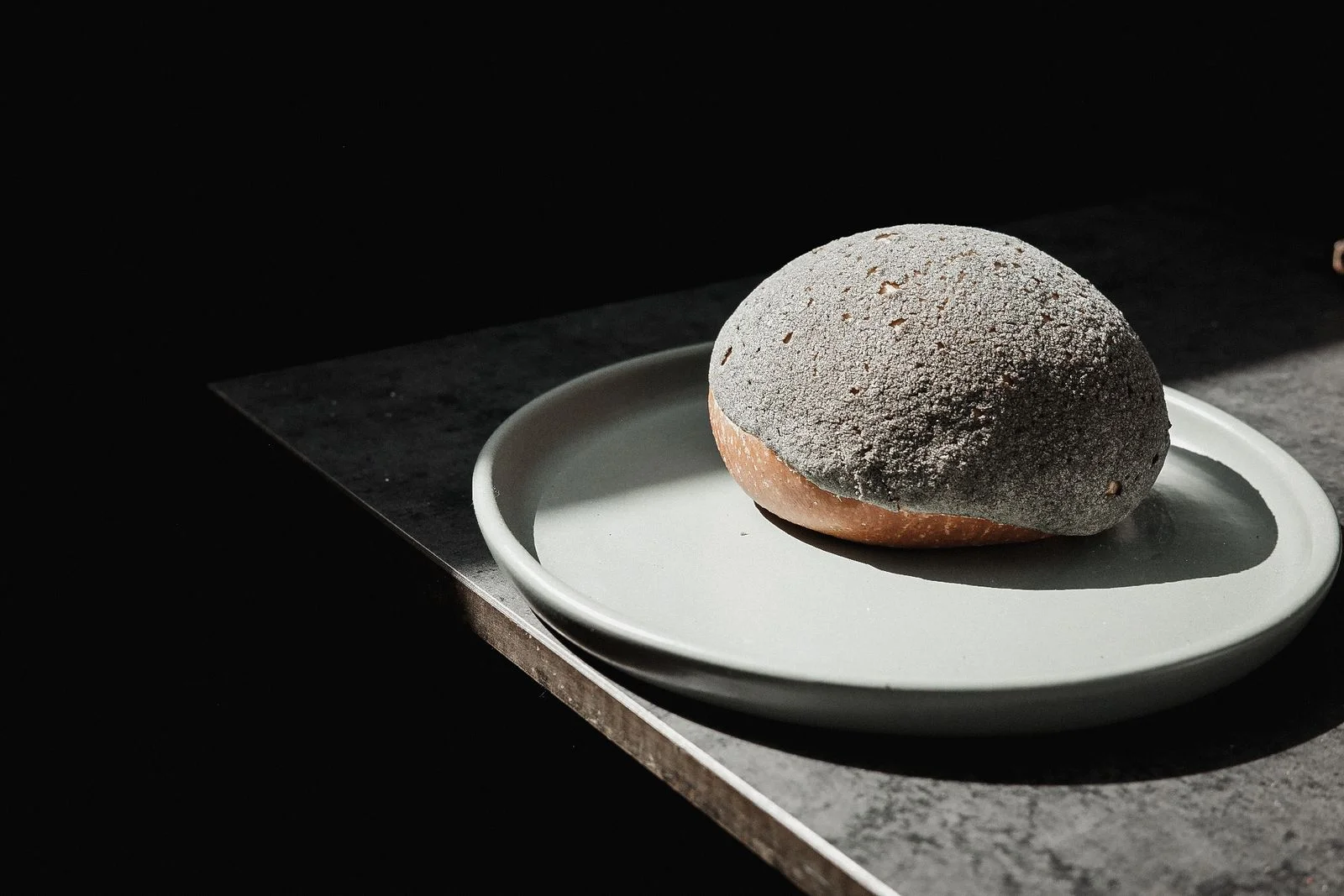
The concha is currently undergoing a significant brand rehabilitation in the United States, transitioning from a misunderstood, utilitarian staple of Mexican panaderías to a premium, high-margin offering. Once relegated to the back corners of grocery stores or modest family-run shops, this distinctive, shell-patterned sweet bun is now being repositioned by a generation of independent pastry chefs as a versatile, culturally resonant vehicle for culinary expression. Data from industry researchers at Datassential confirms the velocity of this shift: the presence of conchas on domestic menus has jumped 68% over the last four years. This upward trajectory is supported by a surge in Gen Z interest, a demographic that prioritizes artisanal authenticity and visual storytelling, effectively turning the humble concha into a social-media-ready icon.
Structural Evolution and Ingredient Integrity
This shift isn't merely a superficial aesthetic upgrade; it is a structural evolution of the pastry’s identity. Consider the experience of Mariela Camacho, who founded Comadre Panadería in Austin. When she began her journey in 2017, the concha lacked the market cachet it commands today, often perceived as a generic commodity rather than a specialty item. Today, she uses heritage inputs like Sonora wheat and fresh masa to push the bun into a higher culinary tier, emphasizing the importance of provenance. Similarly, in Vermont, Atla’s Conchas is subverting the historical hegemony of processed white flour—a legacy of colonial-era wheat introduction—by opting for house-milled, full-inclusion grains. This pivot toward nutrient-dense, locally sourced flour is as much a political statement on flavor and ingredient integrity as it is a technical baking choice, signaling that the concha has finally reached the level of scrutiny typically applied to sourdough or French viennoiserie.
The Mechanics of Fusion and Market Engagement
The pastry has also become a lightning rod for aggressive fusion experimentation, forcing traditionalists to confront the fluidity of culinary boundaries. Dallas bakery La Rue Doughnuts famously produced a "croncha," combining the complex lamination techniques of a French croissant with the recognizable visual identity of a concha. While such crossovers might raise eyebrows among purists who view the bread as a static cultural artifact, they are driving massive consumer engagement. La Rue reported significant queues for the product, proving that when high-end technical rigor is applied to traditional formats, the market responds with substantial capital investment and brand loyalty. By treating the humble bun with the same creative precision typically reserved for expensive, labor-intensive European pastry, these bakeries are normalizing a new standard of value for Mexican-inspired baked goods.
The Modern Canvas for Global Influence
From Vato and Cosme in New York, to Santa Canela in Los Angeles and My Panecito, the concha is being reinvented through both hyper-local and global lenses. It is no longer just a vessel for cinnamon and sugar; it is a primary canvas for the modern American pastry chef. Whether it is filled with yuzu curd or hibiscus-vanilla custard, as seen in the work of Fany Gerson at Fan-Fan Doughnuts, the concha has successfully transitioned from a regional specialty to an essential menu item for upscale establishments. Even fast-food giants have noted this shift in consumer demand, evidenced by the high-profile Super Bowl collaboration between Popeyes and Tequila Don Julio. This crossover into mass-market advertising serves as a validation of the concha’s newfound status as a crossover hit, capable of anchoring national marketing campaigns.
Future Outlook: Beyond the Hype Cycle
Viewing this trend as a mere passing fad would be a mistake; it is an expression of cultural reclamation where bakers are bringing personal memories to the professional kitchen. This movement ensures that traditional recipes are not just preserved in amber but are permitted to adapt to contemporary palates and ingredient expectations. As the labor cost of hand-forming these buns continues to rise, we should expect to see more bakeries leveraging automation for the base bun while reserving the artisanal "craquelin" topping for individual customization. The future of the concha lies in this duality: maintaining the nostalgic comfort of the original while leveraging advanced fermentation and diverse flavor profiles to compete with the broader global pastry market. For chefs and business owners, the concha is no longer a footnote; it is a central pillar of the modern panadería business model.