The Structural Ambition of the Asobi Expo
The day following the inaugural Asobi Expo Hawaii 2026 at Honolulu’s Tom Moffatt Waikiki Shell, the leadership and talent behind Asobi System gathered backstage to unpack the event. For the agency, this successful showcase represented far more than a routine series of performances; it functioned as a precise strategic maneuver in an ongoing, high-stakes push to secure a permanent, defensible foothold within the J-pop-curious U.S. market. By choosing Hawaii as the ground-zero site for this initiative, Asobi System is executing a phased entry that treats the Pacific as a logical staging area before attempting to penetrate the mainland’s more saturated urban centers.
The Japanese entertainment sector is currently navigating the extreme complexities of American expansion, seeking reliable, scalable conduits to bridge the persistent gap between niche digital fandom and true mainstream viability. While industry-wide initiatives like the Japan Culture and Entertainment Industry Promotion Association’s Los Angeles-based "Matsuri" event operate as label-agnostic, public-sector-supported hubs, Asobi System has opted for a vertically integrated, proprietary approach. By exporting a showcase exclusively centered on its own roster, the agency retains total control over the artistic narrative, the production values, and the direct relationship with the concert-going public. This vertical structure allows the firm to curate a concentrated, brand-authentic experience that appeals to established, internet-native enthusiasts while serving as an accessible entry point for local demographics who may have only heard of the artists through peripheral social media exposure.
Establishing the Harajuku Export Model
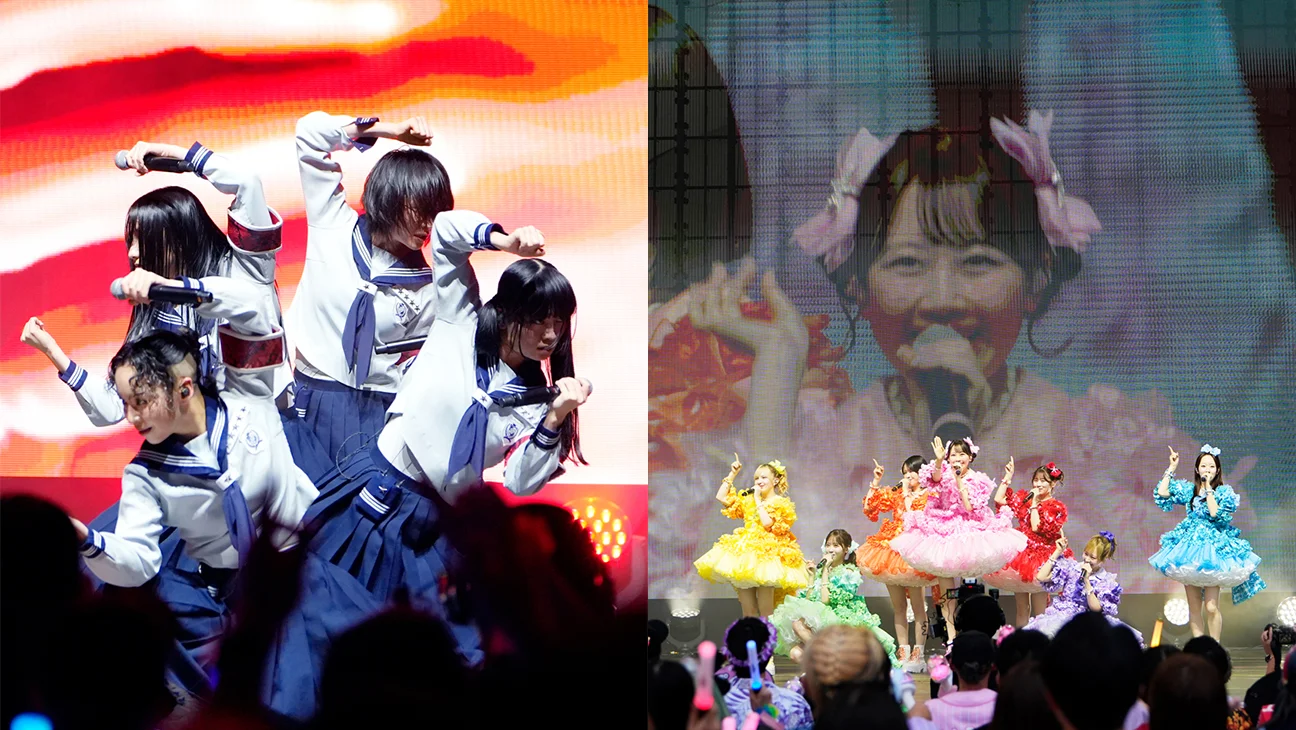
“I thought that was really important to bring [the event] abroad, to really spread the Japanese culture,” Asobi System CEO and founder Yusuke Nakagawa told The Hollywood Reporter. Founded in 2007, the company has spent nearly two decades positioning itself as the primary architect of Harajuku’s eclectic and often fragmented subcultures. That aesthetic DNA—a blend of hyper-modern pop sensibility and traditional performance rigor—was fully visible in Honolulu, where the lineup spanned from the chaotic, high-octane performance art of Atarashii Gakko! to the polished, candy-coated charm of Fruits Zipper and the seasoned, global-facing stage presence of Kyary Pamyu Pamyu.
This curation represents an attempt to solve the "translation problem" that has historically plagued J-pop exports in the West. Rather than attempting to force a singular, monolithic genre upon the audience, Asobi System is presenting a multi-faceted display of the "Harajuku" identity. By balancing the avant-garde edge of Atarashii Gakko! with the accessible, idol-adjacent appeal of Fruits Zipper, the agency is hedging its bets, ensuring that different sub-segments of the audience find a point of resonance with at least one part of the roster.
Hawaii as a Tactical Bridgehead
For Nakagawa, Hawaii served as a tactical bridgehead rather than a primary end-market. He viewed the region as a low-friction entry point, noting that the combination of local receptivity and the ability to draw a substantial number of Japanese nationals created an ideal, controlled environment for testing the market’s appetite for an internationally touring Asobi Expo. This is a classic "sandbox" deployment; by verifying that the logistics, production standards, and fan turnout hold up in a cross-cultural environment like Honolulu, the agency generates the data necessary to justify larger, higher-risk investments in mainland cities.
Moving forward, the executive has his sights set on more difficult terrain: “It was very emotional... it made me realize I really want to bring this to L.A., Miami, London, Paris.” The shift from a regional test to a global tour, however, requires more than just artistic talent; it necessitates a sophisticated understanding of international touring logistics, local venue partnerships, and a shift in marketing spend toward markets that are not pre-disposed to Japanese pop culture. The transition from Honolulu’s comfortable market to the high-competition environments of Los Angeles or London will force Asobi System to evolve its business model from a boutique agency-led event to a legitimate international touring powerhouse.
The Broader Implications for J-Pop Expansion
The successful execution of the Asobi Expo highlights a critical shift in how Japanese entertainment agencies perceive the global market. There is a palpable move away from the reactive model—where agencies waited for licensing requests from Western promoters—toward an aggressive, proactive model where agencies own the distribution chain from Japan to the overseas stage. This autonomy is essential in an era where digital discovery via platforms like TikTok has decoupled music from traditional regional gatekeepers.
If Asobi System proves that this proprietary showcase model is sustainable, we are likely to see a wave of similar "agency-as-promoter" events targeting U.S. coastal cities. The significance here is not merely in the success of a single concert series, but in the potential for Japanese agencies to bypass traditional Western festival booking bureaucracies entirely. Should this strategy hold, the future of the J-pop industry’s international presence will not be defined by licensing agreements, but by a direct-to-fan, event-based model that treats the entire globe as a singular, connected, and highly marketable territory.